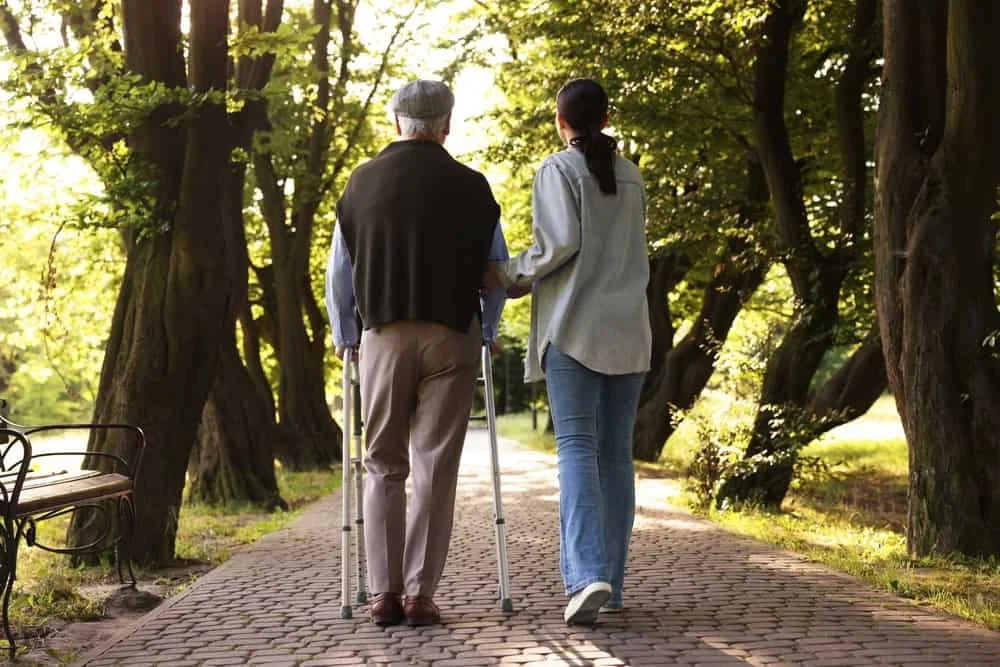
Caring for an aging loved one is a deeply meaningful responsibility that often requires a mix of practical skills and emotional support. Caregivers help seniors maintain independence, ensure their safety, and provide companionship that supports mental and emotional well-being. Understanding the roles, responsibilities, and limits of caregivers can help families provide the best possible care while also protecting the health and well-being of those providing support.
What is a Caregiver?
A caregiver is someone who provides assistance to a person who needs help due to age, illness, or disability. Caregivers can be unpaid family members offering daily support, or paid professionals, including in-home health aides, home health care nurses, or personal care assistants.
At Belmont Village, Personal Assistance Liaisons, or PALs, coordinate with other team members to provide personalized support to meet residents' cognitive, physical health, and emotional needs, helping them live with dignity and independence.
What are the Most Important Qualities of a Caregiver?
Successful caregiving needs to combine skill with compassion. Key qualities of a caregiver include compassion, patience, active listening skills, reliability, a sense of responsibility, and flexibility. These qualities help create a safe, supportive, and nurturing environment for seniors.
What are the Duties and Responsibilities of a Caregiver?
Caregivers provide a range of support that helps seniors maintain independence and quality of life. Common caregiver responsibilities include:
- Transportation and errands: Driving seniors to medical appointments, picking up prescriptions, or running errands like grocery shopping.
- Assistance with activities of daily living (ADLs): Helping with daily tasks like bathing, dressing, grooming, toileting, and eating.
- Assistance with instrumental activities of daily living (IADLs): Medication management, paying bills, coordinating healthcare appointments, and overseeing household tasks.
- Emotional support and companionship: Providing social interaction and emotional encouragement to reduce isolation and promote mental well-being.
- Advocacy: Representing seniors' interests in medical, legal, or social settings, ensuring their needs and preferences are respected.
These caregiving roles support both the mental health and medical needs of seniors while helping them maintain autonomy in a dignified manner.
What Should a Caregiver Not Do?
Caregiver duties have boundaries that protect both themselves and the seniors they care for. For starters, they should not perform medical procedures requiring a licensed professional unless trained and certified. They are not responsible for legal or financial decisions unless formally designated, such as with legal documents like power of attorney.
Caregivers should also avoid taking on more than they can safely manage, as overextending themselves can risk both the caregiver's and the loved one's well-being. Clear boundaries help maintain safe and effective care.
What are Some Self-care Strategies for Caregivers?
Unpaid and professional caregiving can both be rewarding. It can also be emotionally, physically, and financially draining. Burnout and stress are real risks, especially for unpaid family caregivers. Self-care is essential for sustaining the ability to provide high-quality care.
Self-care strategies for family caregivers include:
- Respite care services: Temporary elder care options allow caregivers to take breaks and recharge while ensuring that the older adult's day-to-day care needs are met.
- Support networks: Connecting with family, friends, or caregiver support groups can reduce feelings of isolation and stress.
- Healthy routines: Maintaining proper nutrition, sleep, and exercise helps caregivers remain physically and mentally strong.
- Professional guidance: Counseling or therapy can provide strategies to cope with stress and maintain emotional wellness.
Prioritizing self-care ensures caregivers can continue to provide compassionate, effective support while maintaining their own health.
Final Thoughts
Caregivers play a vital role in the lives of older adults, providing not only practical assistance but also companionship, advocacy, and emotional support. Whether a family member or a trained professional, a caregiver's presence can significantly enhance a loved one's safety, independence, and quality of life. Recognizing the responsibilities, boundaries, and self-care needs of caregivers is essential for sustaining compassionate care.
At Belmont Village, our Personal Assistance Liaisons are part of a compassionate healthcare team who are trained to support residents with dignity and purpose, helping families navigate the challenges of caregiving while ensuring seniors feel valued, supported, and connected every day.
Disclaimers: This article is for informational purposes only.