When everyday tasks begin to feel more difficult for an older adult, families often notice subtle changes first. A slower gait, hesitation on stairs, or withdrawing from favorite activities can raise concerns about safety and independence. Assistive devices are designed to support seniors through these transitions, helping them remain active, confident, and engaged. Understanding the role these tools can play allows families to respond with care, clarity, and practical solutions that enhance quality of life.
Importance of Assistance
Assistive devices help older adults maintain independence while supporting safety and dignity. Tools such as mobility aids, bathroom supports, and sensory devices can reduce the risk of falls and injuries, which are a leading cause of hospitalization among seniors. When individuals feel safer moving through their environment, they are more likely to stay active and socially connected.
Assistive technology can also play a role in cognitive and emotional well-being. Research from the National Institutes of Health, for example, has shown that hearing aids may help slow cognitive decline in older adults at high risk, highlighting how addressing sensory challenges can support brain health. By reducing barriers to communication and participation, assistive devices help mitigate social isolation and support meaningful daily engagement.
What Type of Assistance Does My Loved One Need?
Determining the right level of assistance begins with understanding an older adult’s functional abilities. Activities of daily living, known as ADLs, include essential tasks such as bathing, dressing, toileting, and walking. Difficulty in these areas may signal the need for physical support or adaptive equipment.
Instrumental activities of daily living, or IADLs, include more complex tasks like cooking, managing medications, using the phone, and housekeeping. Challenges with IADLs may suggest the need for assistive technology, environmental modifications, or additional support services. A healthcare provider or occupational therapist can help assess these needs and recommend appropriate solutions as conditions change over time.
Assistive Technology for Seniors
Assistive technology includes a wide range of tools designed to support safety, mobility, communication, and independence. Selecting the right type of assistive devices depends on individual needs, preferences, and living environment.
Fall Prevention
Fall prevention devices help create safer living spaces and reduce the risk of injury. They may include devices like the following:
- Shower chairs provide stability and comfort during bathing for those who tire easily or have balance concerns.
- Non-slip mats add traction in bathrooms and kitchens where surfaces can become slippery.
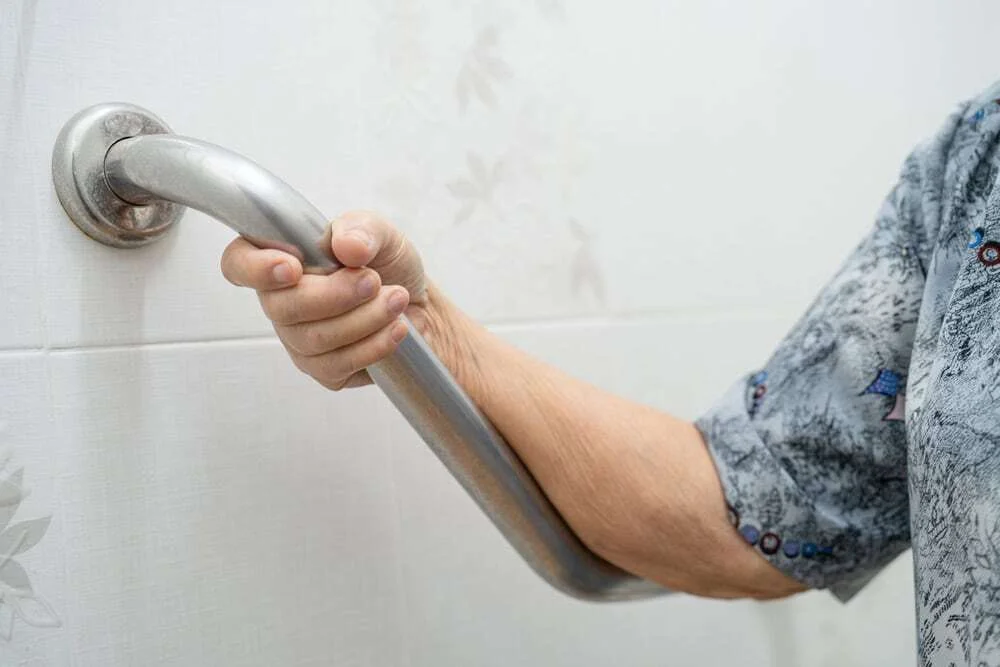
- Handrails and grab bars offer secure support in showers, near toilets, and along hallways or stairs.
- Bed rails help with repositioning and safe transfers in and out of bed.
- Raised toilet seats reduce strain on joints and make standing easier for individuals with limited mobility.
Mobility Aids
Mobility aids support safe movement and help seniors remain active. They can include the following:
- Stairlifts allow individuals to navigate multi-level homes without the risk of climbing stairs.
- Crutches may be used temporarily after injury or surgery to support weight-bearing restrictions.
- Scooters provide independence for longer distances, especially outdoors or in large community settings.
- Wheel walkers and rollators offer balance support, hand brakes, and often a seat for resting.
- Reachers help individuals grasp items without bending or stretching, reducing fall risk.
Visual & Hearing Aids
Sensory aids help seniors stay connected and engaged with their surroundings, and may include:
- Magnifiers support reading, medication management, and hobbies for those with low vision.
- In-the-ear hearing aids offer discreet amplification for mild to moderate hearing loss.
- Behind-the-ear hearing aids provide more powerful amplification and are suitable for a wider range of hearing needs.
Other Aids
Additional assistive devices can support daily routines and peace of mind. They include, but are not limited to, technology like the following:
- Medical alert devices and apps allow seniors to call for help quickly in an emergency.
- Smart home technology can include voice-activated lights, thermostats, and reminders that simplify daily tasks.
- Dressing aids such as long-handled shoe horns help individuals dress independently with less strain.
Senior Assistive Devices FAQs
What are assistive devices for the elderly?
Assistive devices are tools designed to help older adults perform daily activities more safely and independently. They support mobility, personal care, communication, and home safety while promoting confidence and dignity.
What is the most common assistive device?
Common assistive devices include canes, walkers, grab bars, and hearing aids. The most frequently used device depends on individual health needs and functional challenges.
What is the least restrictive assistive device?
The least restrictive device provides necessary support while allowing the greatest independence. For some, this may be a cane or reacher, while others may benefit from more structured support.
What assistive devices do you need?
The right devices depend on physical abilities, sensory changes, and daily routines. A professional assessment can help identify tools that best support safety and independence.
What mobility aids are best for seniors living independently?
Mobility aids such as rollators, scooters, and stairlifts are often helpful for seniors who live independently. The best choice depends on balance, strength, and environment.
How can durable medical equipment help you?
Durable medical equipment supports daily functioning by improving safety, reducing physical strain, and enabling independence in tasks like bathing, walking, and transferring.
How do grab bars improve bathroom safety for seniors?
Grab bars provide stable support in areas prone to slips, such as showers and near toilets. They help reduce fall risk and make transfers safer and easier.
How can smart home technology assist elderly individuals in daily living?
Smart home technology can automate lighting, control temperature, and provide reminders. These features reduce physical effort and support memory and routine.
How can I choose the right hearing aids for an elderly family member?
Choosing hearing aids involves evaluating hearing loss level, comfort, lifestyle needs, and ease of use. An audiologist can guide families through selection and fitting.
Final Thoughts
Assistive devices can make a meaningful difference in how older adults experience daily life. By supporting safety, independence, and engagement, these tools help seniors remain connected to what matters most. Our team at Belmont Village knows how challenging it can be to recognize when additional support is needed. Our team is here to help families ensure that their loved ones receive care that honors their dignity and well-being.
Disclaimers: This article is for informational purposes only.