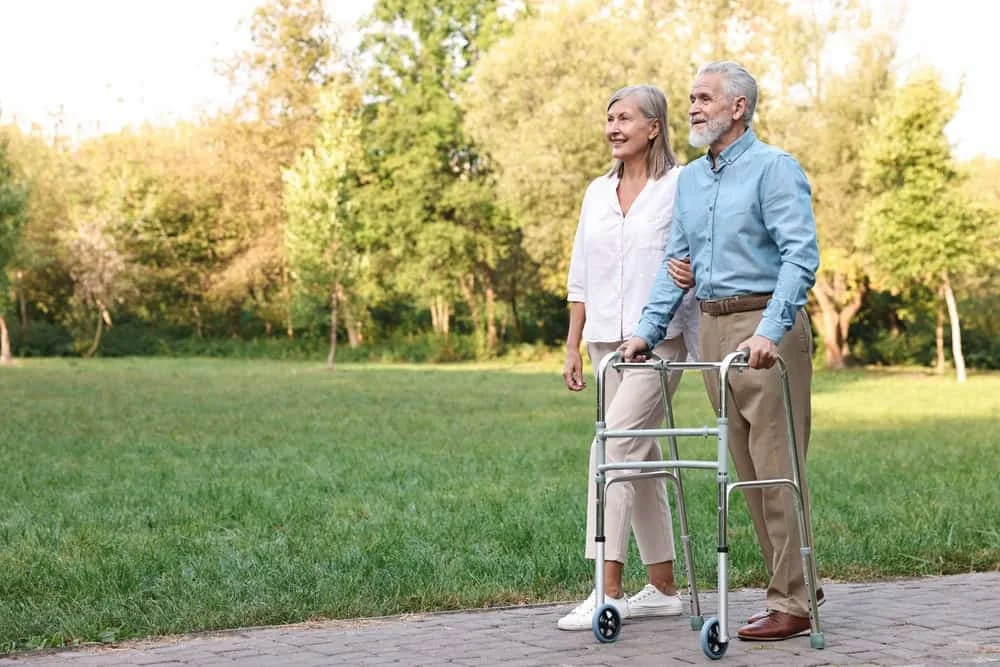
When an older adult begins to feel unsteady or less confident on their feet, even familiar routines can become challenging. Changes in balance, strength, or coordination are common with aging and can raise concerns about safety and independence. Walking aids for seniors offer practical support while helping people stay active and engaged in daily life. Understanding the options available can help families make thoughtful choices that support both physical well-being and peace of mind.
Importance of Walking Aids
Walking aids play an important role in supporting mobility and reducing the risk of falls, which are a leading cause of injury among older adults. These devices provide stability and support, helping seniors move more confidently through their environment.
Beyond safety, walking aids can promote independence and preserve a sense of dignity. When seniors are able to move more freely, they are better able to participate in daily activities, social interactions, and meaningful routines. Choosing the right mobility aid can help an older adult feel empowered rather than restricted, which is essential for overall quality of life.
What Type of Mobility Aid Does My Loved One Need?
Selecting a walking aid begins with understanding an older adult's functional abilities. Activities of daily living, or ADLs, such as bathing, dressing, and walking, offer insight into basic mobility needs. Instrumental activities of daily living, or IADLs, such as shopping, cooking, and managing medications, provide additional context about balance, endurance, and coordination.
Healthcare professionals can help assess these areas and recommend appropriate devices. Regular reassessment is also important, as mobility needs may change over time due to health conditions or recovery from injury.
Which Mobility Device is Right for Your Loved One?
Different mobility challenges call for different solutions. Understanding the purpose and features of each device can help families make informed decisions.
Rollator walkers, wheeled walkers, rolling walkers
Rollators feature wheels, hand brakes, and often a built-in seat. They are well suited for seniors who need balance support but can walk independently. The seat provides a place to rest during longer outings.
Standard walkers
Standard walkers offer sturdy support without wheels. They are often recommended for individuals who need maximum stability and can lift the walker with each step. These walkers are commonly used during rehabilitation.
Walking canes
Standard canes provide light support for mild balance issues. Quad canes offer a wider base for increased stability, while folding canes provide convenience for travel and storage.
Walking sticks
Walking sticks are typically used for light balance assistance or outdoor activities. They may offer less support than canes but can improve confidence on uneven terrain.
Crutches, knee walkers, and knee scooters
These devices are often used temporarily after injury or surgery. Knee walkers and scooters allow individuals to move without bearing weight on one leg, which can be more comfortable than traditional crutches.
Foldable or collapsible manual wheelchairs
Manual wheelchairs are helpful for individuals who have limited walking endurance or need assistance over longer distances. Foldable designs make transportation and storage easier.
Power wheelchairs
Power wheelchairs provide mobility for individuals who cannot propel a manual wheelchair. They offer greater independence indoors and outdoors and can be customized for comfort and control.
Mobility scooters
Mobility scooters are designed for longer distances and outdoor use. They are ideal for seniors who have good upper body control but limited walking stamina.
Stair lifts
Stair lifts help seniors safely navigate stairs within their home. They can reduce fall risk and allow individuals to remain in multi-level living spaces longer.
Senior Walking Aid FAQs
Does Medicare pay for walking aids?
Medicare may cover certain mobility devices if they are deemed medically necessary and prescribed by a healthcare provider. Coverage depends on the type of device and specific eligibility requirements.
What is the best walking aid for poor balance?
The best walking aid depends on the severity of balance issues. Rollator walkers and quad canes often provide more stability than standard canes, but a professional assessment is recommended.
What is the alternative to a walker for the elderly?
Alternatives may include canes, rollators, mobility scooters, or wheelchairs. The right option depends on strength, balance, and daily activity needs.
Which is better for balance, a cane or a walking stick?
Canes generally offer more stability than walking sticks, especially quad canes. Walking sticks are better suited for light support or recreational use.
What are senior citizen mobility aids?
Mobility aids for seniors include canes, walkers, wheelchairs, scooters, stair lifts, and other devices designed to support safe movement and independence.
What are walking aids?
Walking aids are devices that help individuals maintain balance, reduce weight bearing loads, and move more safely. They range from simple canes to advanced powered equipment.
What is a manual wheelchair used for?
A manual wheelchair is used when walking is limited or tiring. It allows individuals to move with assistance or self-propulsion over short or long distances.
How can I pay for my mobility device?
Payment options may include Medicare, Medicaid, private insurance, VA Veterans Benefits, or personal funds. Some community organizations also offer financial support programs to help cover the cost of assistive devices.
What is a rollator used for
A rollator is used to provide balance support while walking and includes features such as wheels, brakes, and a seat for resting.
How do I choose the right walking aid for a senior?
Choosing the right aid involves evaluating physical abilities, daily routines, and safety needs. Consulting a healthcare provider can help ensure the best fit.
Final Thoughts
Walking aids can be a meaningful part of maintaining independence, safety, and confidence as mobility needs change. With the right support, seniors can continue to participate in daily activities and enjoy a sense of connection and purpose. At Belmont Village, we understand the concerns families face when mobility becomes a challenge. Our compassionate team is here to help family members explore options, access trusted resources, and support older adults in living safely and fully.
Disclaimers: This article is for informational purposes only.