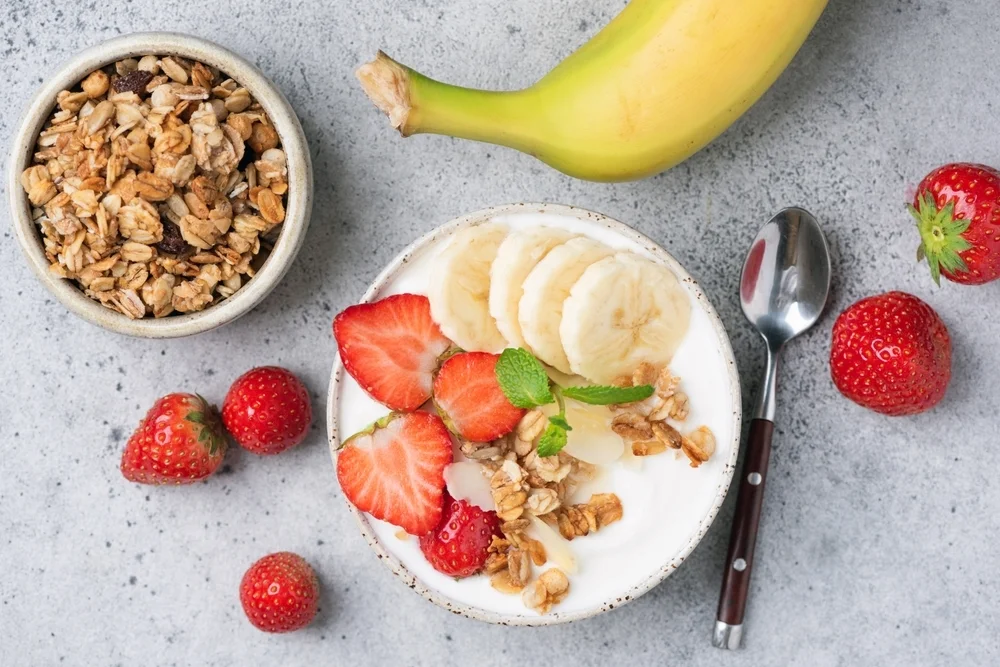
As we grow older, mealtimes can become more complicated. Changes in digestion, appetite, dental health, or certain medical conditions may make some foods less comfortable to eat than they once were. Fortunately, choosing foods that are gentle on the digestive system can help older adults continue enjoying nourishing meals while supporting their overall health. Whether you're planning meals for yourself or helping care for an aging parent, knowing which foods tend to be easier to digest can make everyday mealtimes more enjoyable.
Key Takeaways
- Soft, easy-to-digest foods can help older adults continue meeting their nutritional needs when chewing or digestive concerns make eating more difficult.
- Many gentle-on-the-stomach foods still provide important nutrients like protein, fiber, vitamins, and minerals that support healthy aging.
- Digestion naturally changes with age, but persistent or severe digestive symptoms are worth discussing with a licensed healthcare provider.
15 Easily Digestible and Gut-Friendly Foods
When nausea or chewing become obstacles to eating, a licensed healthcare provider may recommend incorporating foods like the following into a balanced diet:
(The following foods may not be right for everyone; older adults should discuss changes in diet with a licensed healthcare provider.)
1. Bananas
Good source of:
- Potassium
- Vitamin B6
- Fiber
2. Yogurt
Good source of:
- Protein
- Calcium
- Probiotics
- Vitamin B12
3. Oatmeal
Good source of:
- Soluble fiber
- Whole grains
- Magnesium
- Iron
4. Scrambled Eggs
Good source of:
- Protein
- Vitamin D
- Choline
- Vitamin B12
5. Applesauce
Good source of:
- Carbohydrates
- Vitamin C
- Pectin
6. Cottage Cheese
Good source of:
- Protein
- Calcium
- Phosphorus
- Vitamin B12
7. Tofu
Good source of:
- Plant-based protein
- Calcium (when calcium-set)
- Iron
- Magnesium
8. Skinless Baked Chicken
Good source of:
- Lean protein
- Niacin
- Vitamin B6
- Phosphorus
9. White Rice
Good source of:
- Carbohydrates
- Folate (enriched varieties)
- Iron (enriched varieties)
10. Smoothie
Good source of (depending on ingredients):
- Protein
- Calcium
- Fruit
- Vegetables
- Fiber
11. Broth-Based Soups
Good source of (depending on ingredients):
- Fluids
- Sodium
- Vegetables
- Lean protein
12. Corn Flakes
Good source of (fortified varieties):
- Iron
- Folate
- B Vitamins
13. Steamed Vegetables
Good source of:
- Fiber
- Vitamins
- Minerals
- Antioxidants
14. Creamy Peanut Butter
Good source of:
- Healthy fats
- Protein
- Vitamin E
- Magnesium
15. Boiled, Peeled Potatoes
Good source of:
- Potassium
- Vitamin C
- Carbohydrates
Why Do Nutritional Needs and Digestion Change with Age?
Many older adults notice changes in how their body responds to food. Reduced appetite, constipation, or feeling full sooner than expected are all commonly reported among seniors. The reason? Age-related changes can slow digestion, leading to these and other symptoms.
Changes to digestion aren't the only potential challenges older people may notice at mealtimes, though. Digestive changes aren't the only challenges that can affect mealtimes. Arthritis may make utensils harder to hold, dental concerns can make chewing uncomfortable, and some medications may reduce appetite. Changes in smells (and, therefore, taste) can also make favorite foods less appealing.
Age-related changes in digestion also often accompany age-related changes in nutritional needs. Calorie needs often decrease while nutrient requirements may remain the same or even increase. That means older adults still need adequate:
- Protein to maintain muscle,
- Calcium and vitamin D to support bone health,
- Fiber for digestive health,
- Vitamin B12 for healthy nerve function, and
- Plenty of fluids to stay hydrated.
Choosing foods that are both nutrient-dense and easy to chew or digest can help older adults continue meeting these nutritional needs. Many of the foods listed above provide valuable nutrients while remaining relatively gentle on the digestive system.
Meal Planning and Preparation Considerations for Seniors
Thoughtful meal planning can help older adults enjoy nutritious foods while accommodating changing health needs, budgets, and lifestyles. A few practical considerations can make meals easier to prepare, eat, and enjoy.
Dietary Restrictions Based on Health Needs or Cultural Preferences
No single food or dietary habit works for everyone. For example, some older adults follow lower-sodium diets to manage their personal risk of high blood pressure and heart disease. Others may follow vegetarian diets for ethical or religious reasons.
If you or a loved one is unsure which dietary habits are the right fit for your lifestyle, you may benefit from speaking with a registered dietitian or other licensed healthcare provider.
Budget
Nutritious meals don't have to be expensive. Oatmeal, frozen veggies, and more can all provide plenty of nutrition without stretching the grocery budget.
Besides these budget-friendly food options, it's also possible to supplement an existing food budget with programs like Supplemental Nutrition Assistance Program (SNAP) and Meals on Wheels (which may offer free or reduced-price meals).
Grocery Delivery and Accessibility
Getting groceries home isn't always easy. Changes to mobility or driving ability can make shopping more difficult. Fortunately, there are plenty of ways to help get your family the meals you need to thrive. Curbside pickup and grocery delivery services, for instance, are great ways to help get nourishing foods in the hands of older adults who need them.
Convenience
Many foods on this list, like yogurt and bananas, require little or no preparation. Others may require more effort but can be easy enough to meal prep ahead of time, so your family can enjoy them throughout the week.
Processed
Convenience foods can certainly save time, but they're not all created equal. Whenever possible, the American Heart Association recommends comparing Nutrition Facts labels between products and choosing options with less added sodium, added sugar, and saturated fat. Minimally processed foods like these options often provide more nutrients while making it easier to manage certain health conditions.
Hydration Matters, Too
Food isn't the only part of healthy digestion; hydration is important, too. Staying hydrated helps keep food moving through the digestive tract, which supports healthy bowel function. Because the sense of thirst often decreases with age, many older adults benefit from drinking fluids throughout the day instead of waiting until they feel thirsty.
Drinking water doesn't have to be the only way to hydrate, either. Broth-based soups, smoothies, yogurt, and produce can also help seniors meet their daily fluid needs.
Slow Down and Stick to a Routine
Sometimes how we eat is just as important as what we eat. Eating smaller meals, keeping a consistent meal schedule, and chewing food slowly may help make digestion more comfortable for some older adults.
When Should Seniors See Someone for Digestive Health Issues?
Occasional digestive discomfort happens from time to time. Persistent or severe symptoms, however, shouldn't be ignored. Symptoms worth discussing with a licensed healthcare provider include:
- Abdominal pain
- Difficulty swallowing
- Nausea or vomiting
- Constipation or diarrhea
- Blood in the stool
- Unexplained weight loss
- Other symptoms that interfere with eating and drinking
Making Mealtimes More Enjoyable
Many easy-to-digest foods are easy enough to incorporate into favorite meals. With a few practical adjustments to eating habits, older adults can continue enjoying satisfying meals.
Supporting Digestive Health at Belmont Village
At Belmont Village, we know that good nutrition is an important part of healthy aging. Our communities offer chef-prepared meals designed with older adults in mind, and many communities can accommodate special dietary needs and preferences whenever possible. Residents also enjoy a variety of menu options, including foods that may be easier to chew or digest, in a welcoming dining environment.
(Dining selections and accommodations vary by community.)
FAQs
Which meals are easy on older adults' stomachs?
Oatmeal with bananas, scrambled eggs with toast, and baked skinless chicken with white rice; simple meals like these are made with gentle ingredients that are often easier for older people to tolerate.
Which foods are harder for seniors to digest?
While tolerance varies from person to person, some older adults find that heavily fried foods and spicy meals result in digestive upset more than other meals.
Disclaimer: This article is for informational purposes only.