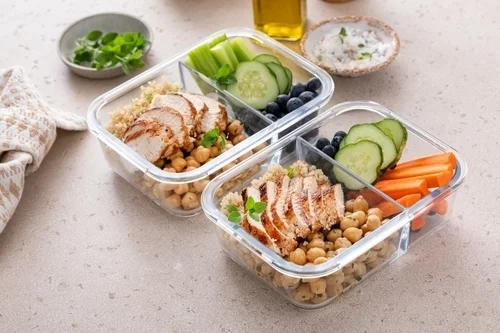
Preparing nutritious meals every day can become more challenging with age. Meal prepping offers a practical way to simplify healthy eating by preparing meals in advance. With a little organization, older adults and their families can make it easier to enjoy balanced meals that support independence.
Key Takeaways
- Meal prepping can make healthy eating more accessible for older adults.
- The 2025-2030 Dietary Guidelines for Americans emphasize nutrient-dense foods that offer protein, calcium, vitamin D, fiber, and other essential vitamins and minerals.
- Safe food handling, proper storage, and labeling meals help reduce the risk of foodborne illness.
Why is Meal Prepping Beneficial for Seniors?
Meal prepping is the process of planning out and then preparing meals to be eaten at a later date. Many people food prep on a Sunday, for example, creating meals for the entire week. Meal prepping can be incredibly convenient for people of any age. For seniors especially, meal prepping may also offer benefits like:
Consistent Access to Food
Busy routines and conditions like arthritis may make it harder to go grocery shopping or make multiple meals a day. These barriers can make it harder to access quality food consistently. But with meal prepping, it may be easier for older adults to eat regularly.
Consistent access to nutritional meals may mean older adults eat on a more regular basis, which may help reduce the risk of malnutrition, blood sugar drops, and fatigue.
Portion Control
Preparing meals in individual containers can make it easier to enjoy balanced portions without needing to estimate serving sizes each time. This approach may also reduce food waste and, therefore, unnecessary spending at the grocery store.
Disease Management
Many chronic health conditions benefit from consistent eating habits and balanced nutrition, such as diabetes, heart disease, high blood pressure, and kidney disease.
Dietary Needs of Older Adults
The Dietary Guidelines for Americans, 2025-2030 encourages consuming whole grains, lean proteins, vegetables, fruits, and healthy fats while limiting added sodium, added sugar, and saturated fat.
In addition to these basic guidelines, many (but not all) older adults benefit from special attention to:
- Protein to support muscle mass
- Calcium and vitamin D for bone health
- Magnesium for muscle and nerve function
- Potassium for heart and muscle function
- Vitamin B12, which may become more difficult to absorb with age
Other Dietary Considerations for Seniors
Every older adult has unique nutritional needs; meal preps should take those needs into account. Other dietary considerations when meal prepping for older adults include:
- How easy the foods are to chew and swallow. Some seniors may have a harder time chewing and swallowing than others. For these individuals, softer foods may be a great addition to their meals. Think stews, soups, chili, yogurt, and scrambled eggs.
- Accessibility. Conditions like rheumatoid arthritis can make it harder to open jars or grip utensils. Using easy-to-open food containers and replacing current silverware with easy-grip utensils can make it easier for seniors to eat on their own.
- Convenience. The easier the foods are to eat and access, the more likely someone will eat them; take convenience into account when meal prepping.
- Medications and supplements. Certain foods interact with commonly prescribed medications, like grapefruit. When planning out meals, make sure that the ingredients chosen don't interact with prescription drugs or over-the-counter supplements.
- Hydration. While drinking water is great, it isn't the only way to meet hydration needs! Herbal teas, soups, milk, and water-rich fruits and vegetables can all contribute to daily fluid intake.
- Enjoyment. "Healthy" doesn't mean bland; in fact, there are plenty of healthy meals you can prep with an aging loved one that are still delicious. Using familiar herbs and spices, or healthier substitutions when cooking a comfort food, can make mealtimes more enjoyable while still supporting nutrition goals.
- Independence: Meal prep can help many older adults continue preparing meals safely while maintaining independence and confidence in the kitchen.
Meal Ideas and Recipes for Seniors
Meal Prep Breakfast Ideas
Overnight Oats
Ingredients:
To make overnight oats, you'll need:
- Rolled oats
- Low-fat milk
- Low-fat yogurt
- Chia seeds
- Fresh berries
- Cinnamon
Substitutions:
If you're missing a few of the above-mentioned ingredients, you may try substitutions like the following:
- Fortified plant milk for cow's milk
- Flaxseed for chia seed
Instructions:
To make overnight oats:
- Combine ingredients in individual containers.
- Store overnight.
- Enjoy!
Meal Prep Lunch Ideas
Roasted Vegetable Salad
Ingredients:
To make a roasted vegetable salad, you'll need the following ingredients:
- Broccoli florets
- Sliced carrots
- Cubed sweet potatoes
- Sliced zucchinis
- Halved Brussels sprouts
- Spinach
- Grilled chicken
- Olive oil
- Salt and pepper
- Salad dressing of choice
Substitutions:
If you're missing a few of the above-mentioned ingredients, you may try substitutions like the following:
- Cauliflower for broccoli
- Butternut squash for sweet potato
- Kale for spinach
- Chickpeas for grilled chicken
Instructions:
To make a roasted vegetable salad:
- Combine olive oil, salt, and pepper with vegetables.
- Roast until tender.
- Divide the veggies among meal prep containers.
- Top with the roasted vegetables and grilled chicken.
- Add dressing right before eating.
Quinoa Salad
Ingredients:
To make quinoa salad, you'll need:
- Cooked quinoa
- Diced cucumber
- Halved cherry tomatoes
- Diced bell pepper
- Chickpeas
- Fresh parsley or cilantro
- Olive oil
- Lemon juice
- Salt and pepper
Substitutions:
If you're missing a few of the above-mentioned ingredients, you may try substitutions like the following:
- Brown rice for quinoa
- White beans for chickpeas
- Green onions for fresh herbs
- Red wine vinaigrette for lemon juice and olive oil
Instructions:
To make quinoa salad:
- Combine the cooked quinoa, vegetables, chickpeas, and herbs in a large bowl.
- Toss with lemon juice and olive oil.
- Season with salt and pepper to taste.
- Portion into containers and refrigerate for up to several days.
Meal Prep Dinner Ideas
Ingredients:
To make vegetarian chili, you'll need:
- Black beans
- Kidney beans
- Diced tomatoes
- Diced onion
- Diced bell pepper
- Diced carrots
- Minced garlic
- Chili powder
- Ground cumin
- Olive oil
- Low-sodium vegetable broth
Substitutions:
If you're missing a few of the above-mentioned ingredients, you may try substitutions like the following:
- Pinto beans for kidney beans
- Sweet potatoes for carrots
- Fire-roasted tomatoes for diced tomatoes
- Ground turkey for an additional protein option
Instructions:
To make vegetarian chili:
- Saute the onion, carrots, bell pepper, and garlic until softened.
- Add the beans, tomatoes, vegetable broth, and seasonings.
- Simmer until the vegetables become tender and the flavors combine.
- Portion into freezer-safe containers.
- Reheat as needed and serve with whole-grain crackers or a side salad.
Food Safety and Storage Considerations
Safe food handling is an important part of successful meal prep.
Helpful food safety practices include:
- Store meals in airtight, portion-sized containers.
- Label containers with the preparation date.
- Refrigerate or freeze prepared foods promptly.
- Do not leave perishables at room temperature for extended periods.
- Use different cutting boards for raw meat to help reduce cross-contamination.
- Cook foods to recommended internal temperatures using a food thermometer.
- Reheat leftovers thoroughly before eating.
When in doubt about how long a prepared meal has been stored, it is generally safest to discard it.
Other Meal Prep Tips and Strategies
Meal prep does not have to be complicated. Just a few small changes can make healthy eating much more manageable.
Helpful strategies for families trying out meal prepping include:
- Freezing soups, casseroles, chili, and other main dishes in individual portions rather than in bulk.
- Purchase pre-cut vegetables or frozen produce to reduce prep time.
- Prep ingredients immediately after grocery shopping.
- Use slow cookers to prepare multiple servings with minimal effort.
- Include a variety of proteins, vegetables, fruits, whole grains, and healthy fats throughout the week.
- Meet with your primary care provider or registered dietitian for personalized nutrition guidance.
Making Healthy Eating Simpler Every Week
Meal prep can help make healthy eating more convenient and enjoyable. Even preparing just a few meals ahead of time can make nutritious eating more accessible.
At Belmont Village, nutritious dining has a central role in our communities. Residents have access to chef-prepared meals and accommodations for special dietary needs every single day. Best of all, mealtimes are a place to gather with friends and maintain meaningful social connections.
FAQs
What are some good make-ahead meals for older adults?
Nutritious make-ahead meals for seniors include overnight oats, vegetable soups, roasted vegetable bowls, and casseroles.
Should seniors talk to a dietitian before starting meal prep?
It never hurts to talk to a dietitian before starting meal prep, especially if living with chronic conditions or food allergies.
How should seniors store their food?
Storing leftovers is an important part of meal prep. Food safety best practices for meal prepping include:
- Storing everything in airtight containers
- Labeling everything with the preparation date
- Refrigerating or freezing meals right away
Taking these few extra steps can help older adults and their loved ones reduce the risk of foodborne illnesses.
What are some ways seniors can meal prep on a budget?
Ways to lower meal prepping costs include buying frozen or canned ingredients, buying in bulk, and using seasonal produce.
This article is for informational purposes only.