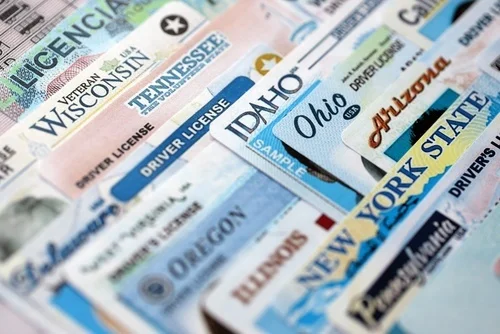
Losing a wallet, replacing an expired driver's license, or preparing for travel often reminds us just how important identification is. Several types of senior identification cards can make everyday life easier for older adults. Depending on your needs, that may include a government-issued photo ID, a senior discount card, or a medical alert card that communicates important health information during an emergency.
Key Takeaways
- Several types of identification may benefit older adults, depending on their circumstances.
- Government-issued IDs help verify identity for travel, financial transactions, healthcare, and certain government programs.
- Senior discount cards can help eligible older adults save money on everyday purchases, travel, and more.
- Medical alert bracelets can communicate important health information to first responders during an emergency.
What is a Senior ID Card?
A senior ID card isn't a single government-issued document. Instead, the term describes several types of identification that older adults may carry for different reasons. For some people, that means a state-issued photo ID or passport. For others, it may be a senior discount card.
What are Different Types of Identification for Seniors?
Older adults may find a few different types of identification cards helpful during their retirement, including:
Government-issued identifications
Government-issued IDs are documents that serve as proof of identity They may include US passports, REAL ID-compliant driver's licenses, and state-issued non-driver identification cards
Retail or membership discount cards
Many businesses and other organizations offer senior discount programs that may require proof of age. Examples of these documents include:
- AARP membership cards
- Grocery store senior discount programs
- Retail loyalty programs
- Transit discount cards
Medical alert cards
Medical alert identification helps communicate important medical information if someone cannot speak for themselves during an emergency. Medical alert "cards" may include:
- Medical alert cards that fit into a wallet
- Wearable medical alert bracelets or necklaces
- Digital medical IDs on smartphones or smartwatches
What are the Uses and Benefits of a Senior ID Card?
Each type of identification serves a different purpose:
Government-issued IDs
Older adults may use government-issued IDs to certify identity financial transactions, complete estate planning documents, and apply for government benefits like Medicare.
Discount cards
Senior discount cards may offer discounts on retail purchases or transportation services, along with other perks.
Medical alert cards
Medical alert identification may:
- Inform first responders about important medical conditions
- Give families peace of mind
What are the Eligibility Requirements for a Senior ID Card?
Requirements depend on the type of identification:
Government-issued IDs
State agencies may require:
- Proof of identity (e.g., passport or long-form birth certificate)
- Social Security card or Social Security number
- Proof of residency or address
- An appointment at the issuing office, depending on the state
Discount cards
Eligibility varies by organization, but commonly includes:
- Meeting a minimum age requirement
- Presenting a valid government-issued photo ID
- Purchasing a membership
Medical alert cards
Many families find it helpful to include information like the following on medical alert cards or bracelets:
- Chronic health conditions
- Medication allergies
- Current medications
- Emergency contacts
- Vision or hearing impairments
Where Can Someone Apply for a Senior ID Card?
The application process depends on the type of identification:
Government-issued IDs
Older adults can typically apply for government-issued IDs through their state's Department of Motor Vehicles (DMV) and the US Department of State.
Discount cards
Applications for senior discount programs are readily available through individual businesses as well as larger organizations like the AARP.
Medical alert cards
Many older adults can find a free printable wallet card online, while others may be able to get a free medical alert bracelet through organizations like the MedicAlert Foundation.
Considerations for Senior IDs
If you or your aging loved one is considering applying for a form of senior identification, it may help to keep the following in mind:
Appointments
Many DMV offices now encourage or require appointments for driver's licenses and state-issued identification cards. Avoid the hassle of being denied service or experiencing increased wait times by checking appointment requirements for your local offices.
Documents
Gather all required documents before your appointment; after all, you don't want to wait in line only to be told you can't complete the application because you forgot something.
Expiration Dates
Government-issued IDs generally expire, although renewal periods vary by state. When applying for an ID, request information about expiration and renewal requirements.
Lamination Fee
Before laminating any identification, confirm whether doing so is permitted. Some cards, such as Social Security cards, should not be laminated. In fact, doing so may invalidate the document or interfere with security features.
Name Consistency Rule
Whenever possible, use the same legal name across all documents and accounts. Doing so may reduce delays when trying to verify identity.
Making an Informed Decision
Having the right identification can make many everyday tasks simpler. Having one that fits your family's needs and keeping it current means you can make processes like bank transactions and filing certain legal documents a little less stressful.
FAQs
Are senior citizens eligible for a free ID?
Some states reduce or waive fees for certain government-issued identification cards for eligible older adults. You can talk to your local licensing office to see what financing options are available or if your family qualifies for a free or reduced cost.
How much does the REAL ID cost for older adults?
REAL ID fees vary by state. In many cases, the cost is the same as renewing or replacing a standard driver's license or state identification card. However, some states offer reduced fees or exemptions for certain older adults.
Disclaimer: This article is for informational purposes only.