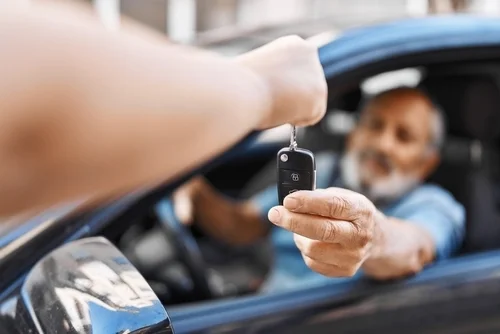
Driving is about more than just transportation for many older adults. It means independence and staying connected to the larger world. While many seniors naturally want to continue driving for as long as possible, there may come a time when their families need to talk with them about driving safely.
Key Takeaways
- Many older adults remain safe drivers. Others may notice changes in vision, hearing, or reaction time that affect driving ability.
- Families concerned about their aging loved one's safety should focus less on age alone and more on consistent changes in driving habits.
- Ways families can support an older driver include enrolling them in driver safety courses or arranging for alternative transportation services.
- Having family conversations about senior driving can be difficult, but they are often most productive when focused on safety and preserving independence.
Why Families Need to Take Senior Driving Seriously
Driving is an important part of maintaining independence. It means being able to go where you want, when you want. But driving is a major responsibility that requires cognitive alertness and physical capability. Many older adults are experienced, cautious drivers. Others, however, may notice gradual declines in their driving abilities. Even if an older driver remains cautious, their ability still doesn't change the fact that other drivers may be the cause of an accident—and seniors are more likely to face serious injury in car accidents than younger age groups.
Why Senior Drivers May Be at Increased Risk of Accidents
There are a lot of moving parts to being a good driver: quick reaction times, good vision, keen hearing, and more. Age can impact each of these factors, which may, in turn, impact an older person's driving ability.
To be clear, having to wear glasses or hearing aids alone may not indicate that an older person should stop driving. But if families notice their loved ones showing worrying signs, like having trouble hearing or seeing, it may be time for a conversation about road safety.
Laws and Regulations
Driver's license requirements for older adults vary by state. Many states, however, have renewal requirements specifically for older drivers to ensure they remain capable of operating a vehicle safely.
How Families Can Keep Their Loved Ones Safe on the Road
Starting a conversation about driving can feel emotional. Adult children want peace of mind that their aging parents are safe, while the parents may feel defensive if they feel that their independence is threatened. While these conversations may not ever be easy, they can be manageable, especially if the focus is on safety and coming from a place of love.
Ways people can approach their concerns about a senior driver in their family include:
Encourage driving refreshers
It never hurts to have a little refresher. Fortunately, there are plenty of mature driver education programs available for older adults. AAA's RoadWise Driver and AARP's Smart Driver programs, for example, review strategies for defensive driving as well as adapting to age-related changes that may impact driving ability.
Recognize warning signs early
Knowing the warning signs that a senior may no longer be safe on the road means families can have safety conversations sooner, before an accident occurs.
Specific warning signs may include:
- Getting lost on familiar routes or in familiar locations
- Frequent close calls or near collisions
- New dents or scrapes on the vehicle
- Running stop signs or traffic lights
- Confusing the gas and brake pedals
- Difficulty staying in the correct lane
- Becoming easily confused while driving
Seek a professional driving evaluation when appropriate
If concerns continue, families may have their loved one undergo a comprehensive driving assessment. Performed by an occupational therapist or certified driver rehabilitation specialist, these evaluations provide objective information about driving ability and potential accommodations.
Know when reporting may be necessary
If someone refuses to stop driving despite posing a serious safety risk, families may need to file a report, usually through their state's Department of Motor Vehicles (DMV) or Department of Revenue (DOR).
Provide transportation alternatives
Losing the ability to drive should not mean losing independence or social connection, two major fears seniors have when they stop driving. Families can ease those worries by offering alternative transportation to their loved ones, so the older adult can still go grocery shopping, visit the doctor, and hang out with their friends regularly.
Keeping Independence While Prioritizing Safety
Driving conversations are rarely easy, but families can make them easier by approaching them with empathy. What's most important is to focus on safety and finding other ways for the older adult to stay connected and engaged.
FAQs
Is there a certain age that seniors should stop driving?
No, there is no certain age someone should stop driving. However, there may be state-level laws that require more frequent driver's license renewals based on age.
What are the signs of dangerous driving in elderly drivers?
Warning signs families of older drivers may need to look out for include getting lost on familiar roads, frequent close calls, unexplained vehicle damage, and difficulty staying in a lane.
Disclaimers: This article is for informational purposes only .