Easy Fall Prevention Tips for Seniors to Improve Safety
Many families are concerned about the risk that falls pose to their aging loved ones. While not every fall can be prevented, many risk factors for falls can be addressed. By taking proactive steps, older people may be able to reduce their risk of falls and maintain greater independence.
Key Takeaways
- Falls are a leading cause of injury for U.S. seniors, according to the CDC.
- Possible ways to mitigate fall risk include home safety improvements, changes in lifestyle habits, regular health screenings, and chronic health condition management.
- Fall prevention at select Belmont Village communities includes on-site physical and occupational therapy, professionally supervised fitness centers, and medical alert systems.
Why Are Seniors At High Risk of Falling?
The Centers for Disease Control and Prevention (CDC) states that falls are a leading cause of injury for U.S. seniors, with millions of older adults falling annually. Older adults aren't just at greater risk of falls, though; they're also more likely to experience serious injuries from falls compared to other age groups.
But why?
Aging means change, and natural changes from aging can affect balance, vision, coordination, muscle strength, bone density, wound recovery, and reaction time—all of which may make someone more likely not just to fall, but experience greater complications from a fall injury.
7 Potential Ways to Reduce Risk of Falls
Some fall risk factors are impossible to avoid, but there are steps older adults and their family members can take to reduce certain hazards.
1. Invest in Home Safety Modifications
Simple home modifications can help reduce common hazards and create a safer living space. Common ways to make the home safer for older adults at greater risk of falls include:
- Install handrails along stairways.
- Add grab bars in appropriate spots in the bathroom, such as inside showers or by toilets.
- Get rid of loose throw rugs or use non-skid backing to secure them.
- Use non-slip mats in bathrooms and kitchens.
- Place nightlights in walkways and other high-traffic areas.
- Use motion-activated lighting when possible.
- Ensure pathways remain clear of clutter and electrical cords.
2. Stay (or Become) Physically Active
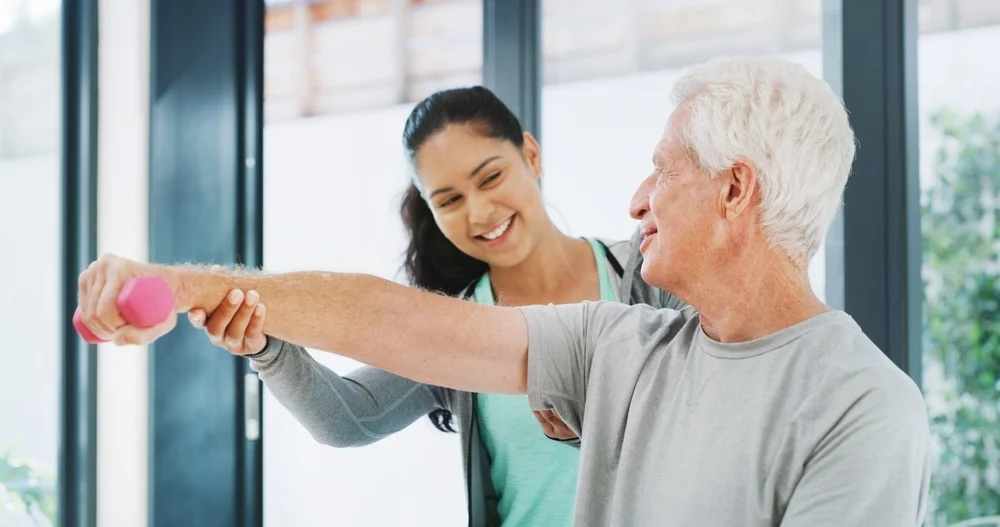
Exercise can help aging individuals maintain muscle strength and balance, both of which are important to reducing fall risk. Activities that may be appropriate for some older adults include tai chi, chair yoga, and water aerobics.
3. Correct Vision Problems
Vision plays an important role in safely navigating surroundings. So if poor vision or poor lighting remains unaddressed, that makes it more difficult for older people to see potential tripping hazards. Treating eye conditions like glaucoma, routine eye exams, and ensuring the home has adequate lighting can therefore help older adults reduce their fall risk.
4. Manage Chronic Conditions
Certain chronic health conditions can affect balance and alertness, which may make someone more likely to fall. Specific conditions that may make someone more likely to experience falls or greater complications from falls include low blood pressure, arthritis, Parkinson's disease, and osteoporosis.
5. Attend Physical Therapy
Physical therapists can evaluate balance, strength, flexibility, and gait; based on these evaluations, a licensed physical therapist can create personalized exercise programs that help seniors manage fall risk.
6. Enjoy a Balanced Diet
Nutrition supports many aspects of aging that can impact fall risk, including muscle strength and bone health. Hydration also matters, as dehydration can contribute to dizziness and weakness in some individuals.
7. Medication Management
Proper medication management can be an important component of a broader fall prevention strategy. Popular over-the-counter supplements and many prescription drugs may have side effects that include dizziness or otherwise interact with each other in ways that make someone more likely to fall, according to Harvard Health. That's why organizations like the FDA recommend that older adults review all prescription medications and OTC supplements with their healthcare provider regularly.
Fall Prevention at Belmont Village
Fall prevention is part of Belmont Village's broader commitment to successful aging. Many Belmont Village communities have licensed nurses on-site 24/7, medication management support, wellness programs, fall-detection technology, and access to on-site therapy services that can help residents reduce their fall risk while also giving families peace of mind that help is available right away, should it be needed.
Are you exploring senior living options? Belmont Village family advisors can help you learn more about the support available within our communities.
FAQs
Can certain exercises help prevent falls?
Strength-building and balance exercises—like chair yoga and tai chi—may help some older adults improve stability and strength, which is why they are included in many fall prevention programs.
Can certain medications impact older adults' risk of falling?
Yes, some prescription drugs and over-the-counter supplements may elevate the risk of falling since they may produce side effects that are known risk factors for falls, like dizziness, drowsiness, blurred vision, confusion, or balance problems.
What home modifications can help families manage the risk of falls?
Common home safety improvements that may help families manage fall risk include installing grab bars in the bathroom, installing handrails in stairways, removing obvious and not-so-obvious tripping hazards, and improving lighting conditions.
Disclaimer: This article is for informational purposes only and does not constitute professional medical advice, express or implied. It cannot diagnose, treat, cure, or prevent any disease or condition. Always discuss changes in diet, medication, or physical activity with a licensed healthcare provider.