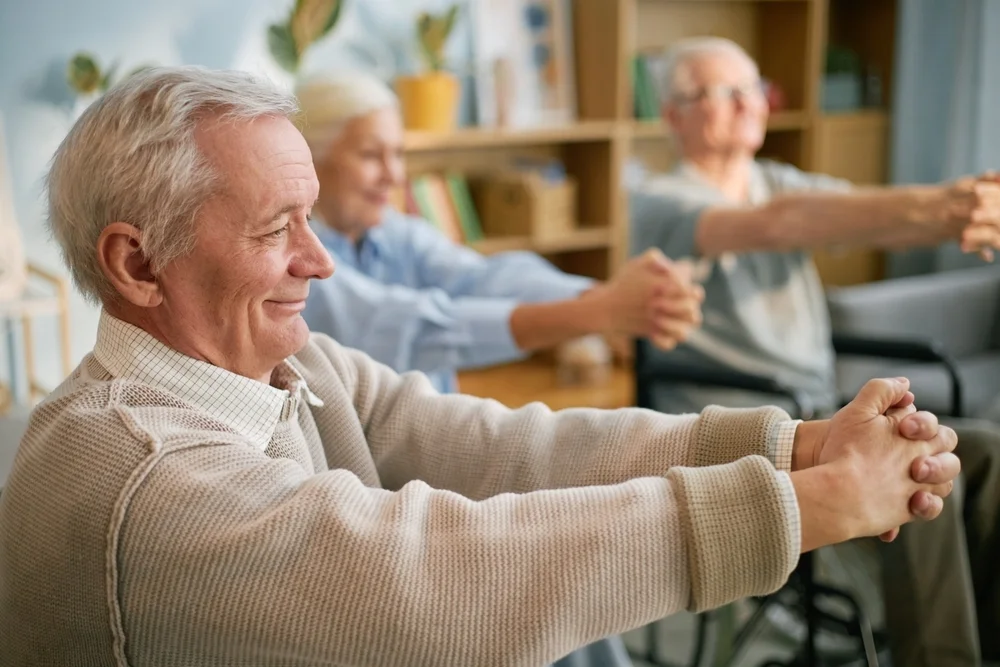
Exercises Seniors With Osteoporosis Should Avoid and Safe Alternatives
Osteoporosis affects bone strength and increases the risk of fractures. While regular exercise may help support bone health, not every type of movement is appropriate for people with low bone density. Choosing low-impact, safe movements can help older adults stay active while protecting themselves.
Key Takeaways
- People with osteoporosis are often advised to avoid exercises that involve spinal flexion and back twisting, along with high-impact movements, as these activities may increase stress on weakened bones.
- Working with a physical therapist or physiotherapist may help older adults develop a safer exercise routine that matches their abilities and health needs.
Why Exercise Is Important for People with Osteoporosis
Exercise plays an important role in supporting bone health and muscle strength, especially for older adults living with osteoporosis or osteopenia (lower-than-average bone density, but not quite to the levels seen with osteoporosis).
The Right Combination of Osteoporosis Exercises
Many experts recommend combining several types of exercises for people living with osteoporosis, including:
- Aerobic activities, especially weight-bearing ones
- Muscle-strengthening activities
- Flexibility and balance activities
Exercises to Avoid with Osteoporosis (and What to Do Instead)
Jumps
What It Is:
Jumping exercises include jumping jacks, box jumps, jump squats, and other plyometric exercises that involve forceful landing.
Why Should People with Osteoporosis Avoid It:
High-impact exercises place sudden pressure on the hips, knees, ankles, and spine. For people with low bone density, repeated impact may mean increased risk of falls and broken bones.
What Can People Do Instead?:
These alternatives still provide weight-bearing exercise benefits with less stress on the bones and joints:
- Low-impact aerobic exercises like walking
- Chair marching
- Stair climbing while holding the railing
Sit-ups and Crunches
What It Is:
Sit-ups and crunches involve repeated forward bending of the spine to strengthen abdominal muscles.
Why Should People with Osteoporosis Avoid It:
Forward bending, also called spinal flexion, may increase pressure on the vertebrae and raise the risk of spinal fractures in people with osteoporosis.
What Can People Do Instead?:
Potential alternatives people can discuss with their healthcare provider include:
- Pelvic tilts
- Standing core exercises
- Modified planks against a wall
Seated Rows
What It Is:
Seated rows are strength training exercises that target the upper back using resistance bands, cable machines, or rowing equipment.
Why Should People with Osteoporosis Avoid It:
Some seated row variations encourage rounded shoulders and forward spinal flexion, which may increase stress on the spine.
What Can People Do Instead?:
Instead of seated rows, people may try other exercises like:
- Wall push-ups
- Resistance band pull-aparts
- Standing rows with proper posture
- Shoulder blade squeezes
Toe Touches
What It Is:
Toe touches involve bending forward from the waist to reach the toes.
Why Should People with Osteoporosis Avoid It:
This movement places significant stress on the spine through forward bending and may increase the risk of compression fractures.
What Can People Do Instead?:
Instead of performing toe touches that encourage forward bending, people may try stretching guided by a physical therapist.
Chest Presses on Machines
What It Is:
Chest press machines strengthen the chest and arms by pushing weighted handles away from the body.
Why Should People with Osteoporosis Avoid It:
Heavy machine-based exercises may encourage poor posture, strain the shoulders, or create excessive pressure on the spine if performed incorrectly.
What Can People Do Instead?:
Low-impact strength training, like the following, may support muscle strength more safely than machine-based chest presses:
- Wall push-ups
- Resistance band chest presses
- Light dumbbell exercises
- Standing chest-opening exercises
Certain Yoga Poses
What It Is:
Some yoga poses involve deep twisting, spinal flexion, or extreme stretches.
Why Should People with Osteoporosis Avoid It:
Deep spinal twists and forward folds found in poses like Lord of the Fishes, Child's Pose, and Wheel may increase stress on weakened vertebrae and contribute to spinal fractures.
What Can People Do Instead?:
A physiotherapist or trained instructor familiar with osteoporosis-friendly exercises may suggest activities like tai chi or simply performing other yoga poses, such as Mountain, Bridge, and Locust.
Unassisted Single-leg Stands
What It Is:
This exercise, as the name implies, simply means balancing on one leg without any added support.
Why Should People with Osteoporosis Avoid It:
While balance exercises are beneficial, performing them without support may increase the risk of falls in older adults with poor balance or muscle weakness.
What Can People Do Instead?:
To lower the risk of falls, people can try modifying exercises by holding onto something sturdy, like a chair.
Seated Spinal Twists
What It Is:
Seated spinal twists rotate the torso to stretch the spine and back muscles.
Why Should People with Osteoporosis Avoid It:
Twisting motions may increase pressure on spinal bones and contribute to fractures in people with osteoporosis.
What Can People Do Instead?:
Instead of seated spinal twists, people with osteoporosis may try gentle shoulder stretches instead.
FAQs
Can certain exercises help increase bone density?
Weight-bearing exercises and muscle-strengthening exercises may help support bone strength while slowing the rate of bone loss. These activities may include walking and stair climbing, although all exercise programs should match a person's individual fitness level and medical needs.
Can vitamins and supplements help rebuild bone?
Calcium and vitamin D are important for bone health. Some people may benefit from supplements if they are not getting enough nutrients through food. A healthcare provider can help someone determine what may be appropriate based on their age, diet, and medical history.
Should people with osteoporosis avoid certain foods and drinks?
Some experts recommend limiting excess sodium and sugary beverages because they may affect bone health, although these recommendations may not be limited just to people living with low bone density.
How can people prevent osteopenia from becoming osteoporosis?
Healthy lifestyle habits may help support bone health over time. These habits can include:
Final Thoughts
Exercise remains an important part of healthy aging, even for older adults living with osteoporosis. At the same time, certain exercises may place too much stress on fragile bones. Replacing those exercises with safer alternatives can help older adults stay active while protecting their long-term bone health.
Disclaimer: This article is for informational purposes only and does not constitute professional medical advice. It cannot diagnose, treat, cure, or prevent any disease or condition. Always discuss changes in diet or physical activity with a licensed healthcare provider.