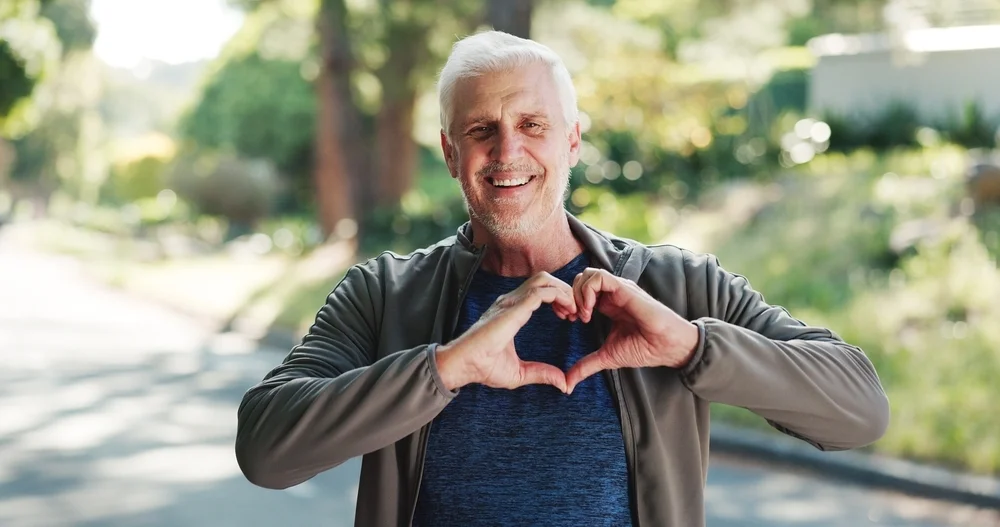
Heart-healthy Workouts Seniors Can Do to Stay Active
Staying active plays an important role in supporting cardiovascular health as we age. Fortunately, heart-healthy workouts for seniors do not need to be complicated or intense to be beneficial.
Importance of Aerobic Exercise
Aerobic exercise, often called cardio exercise, refers to activities that increase your breathing and heart rate for a sustained period. According to the American Heart Association, regular exercise supports cardiovascular health by improving blood flow, strengthening blood vessels, and helping the body use oxygen more efficiently.
Potential Health Benefits of Heart-pumping Exercises
- Lower blood pressure
- Support healthy blood sugar (blood glucose) levels
- Improve HDL cholesterol while lowering LDL cholesterol
- Lower risk of heart disease and complications like heart attack
- Support body weight management and weight loss goals
- Improve endurance and stamina
- Support mental health and mood
Getting Enough Aerobic Activity
The Centers for Disease Control and Prevention (CDC) recommends that older adults aim for at least 150 minutes of moderate-intensity aerobic activity per week, though individual needs vary.
Aerobic Activities for Seniors
Below are just a few ways older adults can get up and moving, some of which Belmont Village residents enjoy as part of our whole-body fitness programming.
Brisk Walking
Walking is an easily accessible aerobic exercise for older adults. Walking helps strengthen the heart muscle and improves circulation while placing less stress on the body than many vigorous-intensity workouts.
Modifications & Tips:
- Wear supportive shoes
- Start with shorter distances
- Walk with a companion
This Activity May Not Be Ideal For:
- Those recovering from recent injuries (without medical clearance)
- Seniors with severe balance challenges
Climbing Stairs
Climbing stairs combines cardio activity with lower-body strengthening exercise, which research suggests can help improve endurance, strengthen leg muscles, and support cardiovascular health. Even short stair sessions can elevate target heart rate and contribute to wellness goals.
Modifications & Tips:
- Hold handrails
- Start with a single flight
- Take breaks between flights
This Activity May Not Be Ideal For:
- Those with uncontrolled high blood pressure
- Individuals with severe balance problems
Yard Work
Gardening and other yard work can provide meaningful physical activity while also offering mental health benefits like stress management.
Modifications & Tips:
- Work in raised garden beds
- Wear breathable, UV-rated clothing
- Use kneelers to protect joints
This Activity May Not Be Ideal For:
- Individuals sensitive to heat
Cycling
Cycling can be one low-impact way to support cardiovascular health while strengthening the lower body. No place to cycle outside? Not a problem. Stationary bicycles can provide a safe option for exercise indoors.
Modifications & Tips:
- Use recumbent bikes for back support
- Adjust gear resistance gradually
This Activity May Not Be Ideal For:
- Individuals with certain joint concerns
Swimming
Swimming and water aerobic classes provide full-body exercise while reducing joint stress, which can make them great activities for older adults with arthritis, osteoporosis, or joint discomfort.
Modifications & Tips:
- Use flotation devices
- Stay in shallow water
- Begin with shorter swim sessions
This Activity May Not Be Ideal For:
- Individuals with uncontrolled seizures
- Seniors with open wounds
Making the Most Out of Cardio
While aerobic activity offers many benefits of exercise on its own, many experts recommend combining cardio with other forms of physical activity for a more holistic approach to wellness.
Strength Training
Muscle-strengthening exercise programs can complement cardio workouts by helping to reduce the risk of falls as well as lower the risk of cardiovascular disease and other chronic health conditions.
Nutrition
Nutrition can also impact heart health; it can also help people get the most out of their cardio workouts.
A heart-healthy diet, according to the American Heart Association, often includes:
- Fruits and vegetables
- Whole grains
- Lean proteins
- Healthy fats
- Reduced sodium intake
- Limited added sugars and sodium
- Limited processed foods
Social Engagement
For seniors who enjoy exercising with others, group fitness activities may offer emotional benefits in addition to physical ones.
FAQs
Can certain exercises help lower A1C?
Regular exercise—including resistance training and aerobic exercise—may help improve blood sugar management for some people with type 2 diabetes.
How much aerobic exercise is needed to improve heart health?
Many health organizations, like the CDC, recommend older adults get, on a weekly basis, at least 150 minutes (or 2-and-a-half hours) of moderate-intensity aerobic activity (e.g., brisk walking).
Exercise plans should always reflect individual abilities and medical considerations, though, meaning this number is merely a guideline rather than an absolute rule.
What exercises are good for improving heart health?
Activities that raise the heart rate consistently may support cardiovascular health, including:
- Brisk walking
- Swimming
- Cycling
- Water aerobics
- Dancing
- Climbing stairs
Key Takeaways
Heart-healthy workouts can support older adults' fitness goals, no matter if the workouts are performed at home or in a senior living community.
Disclaimers: This article is for informational purposes only and does not constitute professional medical advice. It cannot diagnose, treat, cure, or prevent any disease or condition. Always discuss changes in diet or physical activity with a licensed healthcare provider.