When someone you love has dementia, a home that once felt perfectly safe may need to change with them. Learning how to make a home safe for seniors with dementia means looking at how your loved one moves through the day, where they're having difficulty, and what changes could make everyday life easier without taking away independence unnecessarily.
Key Takeaways
- Home safety needs can change as dementia progresses.
- Simple changes to lighting, walkways, bathrooms, and household storage can reduce common risks without unnecessarily limiting independence.
- Familiar routines and activities can make daily life easier to navigate for someone experiencing memory changes.
- Families don't have to manage dementia care alone, and changing needs may eventually call for additional support.
Keeping the Home Safer When Your Loved One Ages In Place
A home that worked well a year ago may not match your loved one's needs today. Dementia can affect how someone remembers information, completes familiar tasks, and understands what's happening around them.
That's why the National Institute on Aging (NIA) recommends going through the home room by room, addressing immediate hazards first and reassessing safety as your loved one's abilities change.
The goal isn't to remove every possible risk. Look for changes that make the home easier to navigate while giving your loved one an appropriate level of support.
Determine Your Loved One's Needs
Start with what your loved one can still do comfortably and where they're beginning to need help.
You may hear healthcare professionals talk about activities of daily living (ADLs) (like bathing and grooming) and instrumental activities of daily living (IADLs) (like preparing meals and managing household tasks). Looking at where your loved one needs help with ADLs and IADLs can give you a better idea of where to focus.
If you're not sure what changes would help, ask your loved one's healthcare provider about a home safety evaluation. A physician may also recommend an occupational therapist who can evaluate ways to support independence at home.
Prioritize Fall Prevention
Falls deserve particular attention. More than 14 million adults age 65 and older report falling each year, according to the Centers for Disease Control and Prevention (CDC).
For someone with dementia, changes in perception or judgment can make household hazards harder to recognize. Walk through the home and look at it from your loved one's perspective. Depending on their needs, you might:
- Clear furniture, cords, and other obstacles from walkways.
- Add lighting to stairs, bathrooms, and frequently used paths.
- Consider professionally installed grab bars near the toilet and shower.
- Use non-slip surfaces in the bathroom.
- Ask a healthcare professional whether a shower chair or other bathing aid would help.
- Avoid strongly patterned or reflective flooring if it seems to cause confusion or hesitation.
Be cautious about adding mobility or transfer equipment on your own. The safest setup depends on your loved one's abilities, so ask an occupational or physical therapist if you're unsure.
Make Familiar Spaces Easier to Navigate
Sometimes the best home modification is simplification.
Ways to make a space easier for an older person to navigate include:
- Reducing unnecessary clutter and background noise.
- Keeping frequently used objects in the same easy-to-find places.
- Using simple pictures or signs to identify important rooms.
- Improving lighting along commonly used paths.
- Adding appropriate safeguards if leaving home unsupervised becomes a concern.
Remove Opportunities for Danger
Someone with dementia may forget that a stove is hot, take medication twice, or use a household product in an unsafe way. As those changes appear, the home may need additional safeguards.
Depending on your loved one's abilities, consider:
- Securing medications and potentially dangerous household products.
- Providing more help with medication organization or administration.
- Addressing water temperatures if burns are a concern.
- Limiting unsupervised use of hot appliances when necessary.
- Adding appropriate door safeguards if unsafe exiting becomes a concern.
- Considering an emergency response system if your loved one spends time alone.
Don't add restrictions simply because someone has dementia. Match each safeguard to a need you've actually observed, and revisit the setup as those needs change.
Cover Legal Bases
Not every part of home safety involves the house itself. Dementia can eventually affect someone's ability to make complicated healthcare, financial, or legal decisions.
If your loved one can still understand their options and communicate what they want, include them in planning as much as possible.
Depending on your family's situation, that conversation may include powers of attorney, advance directives, or an updated will. Because requirements vary by state, an elder law attorneycan help you understand which documents your family needs.
Establish a Daily Routine
Familiarity can make the day easier to navigate. You don't need to schedule every hour.
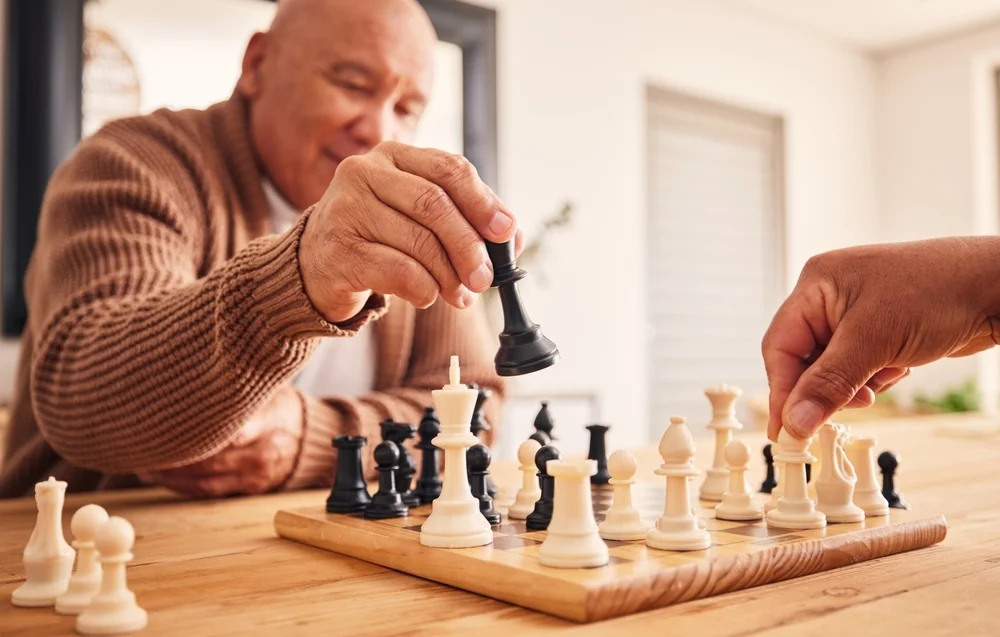
Start with parts of the day your loved one already knows well. Meals, favorite activities, and bedtime can become familiar anchors, while keeping activities such as bathing and eating at consistent times may make the routine easier to follow.
Keep enough flexibility to adjust when your loved one is tired or needs more help than usual. Familiarity matters more than filling the calendar.
Let Your Loved One Help Where Possible
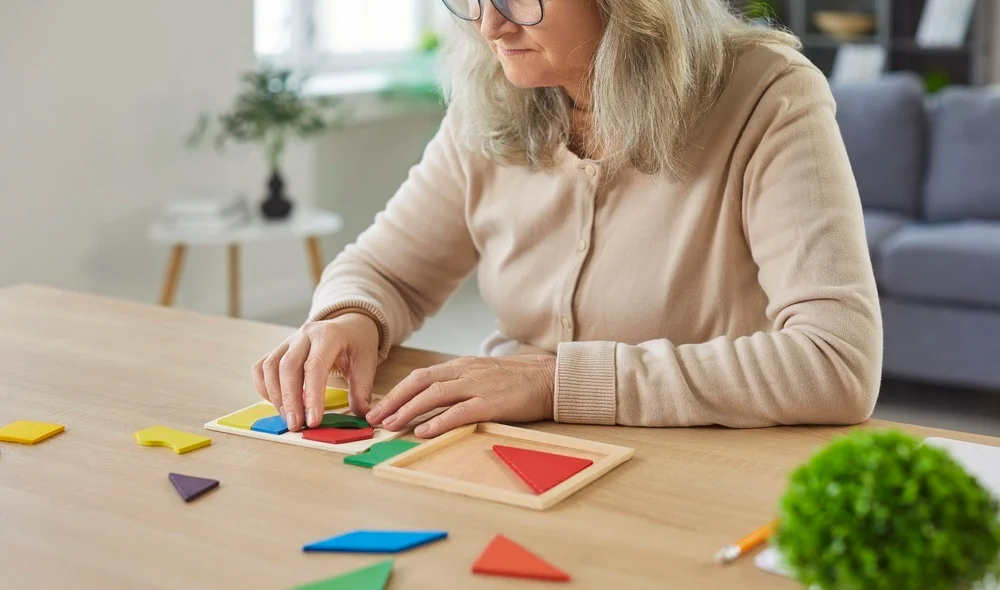
It can feel quicker to do everything yourself. But if your loved one can still participate in a familiar task, they don't necessarily need you to take it over. Depending on their abilities, they might fold laundry, set the table, or water plants.
Share Caregiving Responsibilities
Caregiving responsibilities can grow gradually. You may start by stopping by to check on Mom and eventually find yourself handling appointments, meals, household tasks, and much of her day.
When you need help, be specific. Instead of asking a sibling to "help more," ask whether they can handle grocery shopping this week or stay with Mom during an appointment.
Short-term respite care can also give a primary caregiver time away from caregiving responsibilities. If caregiving is regularly interfering with your own health or ability to manage daily life, consider talking with your healthcare provider and looking at what additional support is available.
Know When Professional Help Is Needed
Home modifications can make a meaningful difference, but they can't solve every care need.
If your loved one increasingly needs help with personal care, repeatedly leaves home unsafely, has trouble managing medications, experiences repeated falls, or can no longer remain home safely without supervision, bring those changes to their healthcare team.
Creating a Safer Next Chapter
Keeping someone with dementia safe at home doesn't require creating a perfect environment. Focus on what helps your loved one move through familiar spaces more comfortably while giving your family a realistic way to provide support. As their needs change, you can change the plan with them.
Memory Care Safety Features at Belmont Village
At Belmont Village, we understand that memory loss doesn't look the same for everyone. Our memory care approach uses individualized plans based on each resident's needs and abilities.
Depending on the community and resident, support may include a more navigable memory care environment, help with daily activities, and licensed nursing support. Programs and safety features vary by Belmont Village community, so families should talk directly with their preferred location about what's available and whether it fits their loved one's needs.
FAQs
What are some simple ways family caregivers can make the home safer for a loved one with dementia?
Start with the places your loved one uses every day. Clear walking paths, improve lighting, secure medications and potentially dangerous household products, and make bathrooms easier to navigate. Simple signs or pictures may also make important rooms easier to find.
Then keep watching how your loved one uses the space. Home safety should be reassessed as dementia-related needs change. If you're not sure where to start, ask their healthcare provider whether a professional home safety evaluation would help.
Disclaimers: This article is for informational purposes only.