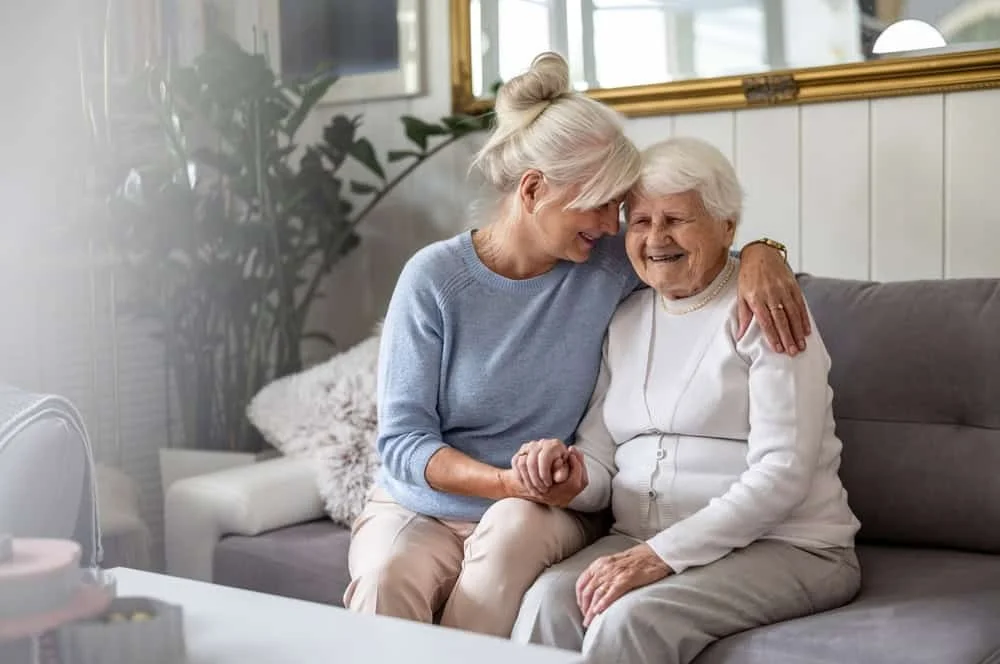
Everyone needs help throughout their lives. Many people need extra assistance as they age, but they fear accepting help means a loss of independence. For many adult children, getting aging parents the help they need—and accepting it—can seem overwhelming. But it doesn't have to be. With a little knowledge and insight, supporting loved ones can be a smoother, more enjoyable process.
Does Your Loved One Need Help?
Everyone is unique, and no two older adults need the exact same type of care. Before you can truly give your loved one the best care possible, you have to decide just how much help they need to live safely while preserving independence and dignity.
Activities of daily living (ADLs) and instrumental activities of daily living (IADLs) are powerful tools that you and a healthcare professional can use to better determine your loved one's needs. ADLs and IADLs both help measure someone's functional abilities and, therefore, what type of support they require. In some cases, a professional evaluation of someone's ability to complete ADLs and IADLs may be required to qualify for assistance programs.
Basic Activities of Daily Living
Basic activities of daily living are daily physical tasks most healthy people can do on their own and are necessary to maintain a certain quality of life. They include basic personal care tasks like getting dressed, using the restroom, and feeding.
If someone is unable to perform these tasks safely, they may need residential personal care services, such as those received in an assisted living community, or in-home safety modifications, like grab bars in the bathroom, to help them navigate daily life with confidence.
Instrumental Activities of Daily Living
ADLs are concerned with physical tasks. Instrumental activities of daily living, meanwhile, are concerned with routine activities that require critical thinking skills and problem-solving capabilities. IADLs can include medication management, grocery shopping, and paying bills on time.
If someone is unable to perform IADLs, they may benefit from in-home services, like housekeeping services, or residential care services, such as those offered in memory care communities.
Taking Care of Older Family Members
Determine the Right Type of Care
After determining a loved one's capabilities through the lenses of ADLs and IADLs, your family can better decide the right type of care to give your family member the best quality of life possible.
Senior care options your family can explore together include:
- Aging in Place: Aging in place allows your loved one to age in their current location. This living situation is ideal for fully or mostly independent older people who can live alone with no or few modifications to their living situation, such as hiring a housekeeper to lighten chores or installing grab bars in the bathroom to reduce the risk of falls.
- Independent Living: Independent living communities are communities that allow older adults to live in a community of their peers, free from mundane tasks like housekeeping or home maintenance. Independent Living at Belmont Village takes care of the chores and offers a suite of amenities like flexible dining, so residents can focus on what truly matters: enjoying each day, however they choose.
- Assisted Living: Assisted living communities ensure residents get the personal care services they need to live safely without compromising their dignity. These communities are best suited for older adults who need some assistance with ADLs and IADLs, such as individuals living with early-stage Alzheimer's disease. Assisted Living at Belmont Village does more than offer personal care services. Our communities truly nourish each individual with a wide range of social and emotional support programs (including our award-winning Circle of Friends® programming), enriching exercise programs, and on-site health services, so residents can be fulfilled in mind and body alike.
- Memory Care: Memory care communities are specially designed for individuals living with memory loss or some other form of cognitive impairment. Memory Care at Belmont Village knows that memory issues affect every resident differently, which is why our compassionate staff works with families to create truly personalized care plans that celebrate each resident for their strengths while offering necessary support in a dignified manner.
- Skilled Nursing Care: Skilled nursing care communities are long-term care communities that offer around-the-clock care to individuals with intense medical care needs. Teams of healthcare providers, caregivers, program coordinators, chefs, and more work together to create a welcoming environment that provides supportive services along with amenities like social programming.
Talk as a Family
Planning aging in place safety modifications or arranging for residential care at a senior living community are processes that cannot be completed in a vacuum. They are decisions reached over the course of multiple conversations with the entire family involved—including the older adult requiring care. Including your loved one in the process is critical to helping them feel valued, and will make them more receptive to hearing your concerns.
When creating a senior care plan, give everyone involved time to share their concerns, vent frustrations, and actively listen to each other. Doing so won't magically make the process stress-free, but it can make it easier to navigate as a family.
Discuss Legal Issues
Long-term care planning involves lots of legal planning, from establishing (or changing) power of attorney for a loved one with dementia, creating healthcare directives to ensure your relative's care wishes are respected in worst-case scenarios, and estate planning to ensure that complex legal processes are made easier during times of high emotions.
Explore attorneys with experience in estate law and elder law in your area; it's always best to handle these affairs sooner rather than later, especially when memory loss or failing physical health is a concern.
Access Resources
Many family members assume caregiving roles for their older relatives. While taking care of elderly loved ones can be rewarding, it can also be uniquely difficult. Accessing the right caregiver resources can lighten the load of caregiving and make delivering care more fulfilling while also helping prevent burnout.
Resources worth exploring include:
- AARP
- Family Caregiver Alliance
- Alzheimer's Association
- Short Stays at Belmont Village Senior Living Communities
- National Institute on Aging (NIA)
- Eldercare Locator to find in-home care services (home health aides, homemakers, etc.) in your area
Make Home Safe
Discuss ways to make the home safer if your family decides that aging in place is the right choice.
Start by considering your loved one's needs. Do they have issues seeing? If so, consider installing motion-activated lighting in walkways. Do they have stability issues? Take special care to remove obstacles that can cause tripping and falling.
"Make home safe" might seem an insurmountable task, but your family can make it easier by focusing on improving the safety of individual rooms. For example, if your loved one lives with limited mobility, you can:
- Bathroom: Install grab bars by the toilet and in the shower. Put non-slip mats in and outside the shower/bathtub. Invest in a quality shower chair and removable showerheads.
- Living room: Invest in seating with easy-to-use reclining capabilities, such as an extra-long reclining handle that is easy to pull.
- Kitchen: Install lower cabinets and countertops so everything is easier to reach.
Take Care of Yourself
You can't care for someone else if you neglect yourself. If you assume caregiving responsibilities for a relative, take time for your own mental well-being. Mental health prioritization can look different for everyone, so do what makes you feel supported emotionally, physically, or financially so that you avoid caregiver burnout.
Ways to take care of yourself while you care for others can include utilizing support groups and short-term respite care services, taking short walks, watching a movie with friends, or reading a book.
Pick the Right Place
Where someone ages significantly impacts quality of life. For some people, aging in place in their current home is ideal. For others, moving to a senior living community is better.
Communal living, such as at Belmont Village Senior Living Communities, allows older adults to enjoy the benefits of communal living, like regular socialization, brain fitness programming, and a dedicated team of staff members who can notice subtle changes in resident health, ensuring residents get needed care as soon as possible.
Elder Care FAQs
What are the 5 principles of elderly care?
The 5 Ms of elderly care, sometimes called the Geriatric 5Ms, are five focus areas that encompass what is needed for senior fulfillment. These areas are:
- Mind
- Mobility
- Medications
- Multi-complexity
- Matters most
How do I find a caregiver in my area?
An easy way to find a caregiver in your area, along with other services to help you care for elderly adults at home, is to use the Eldercare Locator from the Administration for Community Living.
What is aging in place?
Aging in place means aging where you are at. That can include your own home, apartment, or condo.
When should elderly parents stop living alone?
Elderly parents should not live alone if relatives have concerns for their safety. For example, if once-tidy aging parents suddenly have disheveled appearances, it's worth getting them an appointment with a healthcare professional to examine the possibility of memory loss. Other signs that elderly parents may need help and should not live alone include:
- Consistently not paying bills
- Being unable to eat properly, shown with weight loss or weight gain
- Not taking medications properly
- Leaving stoves on or exterior doors open
- Wandering in familiar places
What are the best tips for managing stress while caring for elderly parents?
Ways to help manage stress while caring for aging parents can include staying organized to avoid missed appointments and unnecessary stressors, seeking support and asking for help when you need it, and taking care of your mental health, whatever that means for you personally.
What are some tips for communicating effectively with my elderly parents?
Research-backed ways for improving communication with older adults include:
- Practicing active listening strategies, such as making direct eye contact
- Clarifying expectations, rather than making assumptions
- Giving the person plenty of time to form a response
- Not interrupting the other person
- Using direct, clear language
What are the best ways to ensure the safety of elderly people living at home?
There is no single-best way to ensure the safety of older adults, because every older person has different needs. A better approach is to determine the older person's functional capabilities through the lenses of ADLs and IADLs. Once you know the person's abilities, you can adjust their living situation to improve wellness outcomes without sacrificing dignity.
What are some activities to keep elderly individuals engaged and active?
Helping a loved one stay mentally alert and socially engaged is a great way to reduce the odds of mental illness like depression and even dementia.
Ways to engage a loved one can include:
- Helping them learn a new language
- Taking them to social events, like poker night with friends
- Hosting a family game night at their house
What are the best ways to support the mental health of elderly loved ones?
The best way to support a loved one's mental health is to truly listen to them. What are their fears, concerns, and hopes? What can you do to alleviate those concerns? For example, if your loved one is resistant to moving to senior living, discover the source of the resistance. It may be that your loved one fears being forgotten and left behind. By assuring your loved one that they will be well-cared for, and that you will regularly visit them, they may be more receptive to making the move to senior living.
It's also important to ensure your loved one can visit a mental health professional if necessary. Making the appointment for them, taking them to their appointment, and helping them pick up any necessary medications can all be fantastic ways to support an aging relative's mental health.
Final Thoughts
Taking care of elderly loved ones can be a journey, full of incredible highs and emotional lows. You don't have to take that journey alone, though. By learning more about your resources and senior living options, you can more easily navigate this process.
Disclaimers: This article is for informational purposes only.