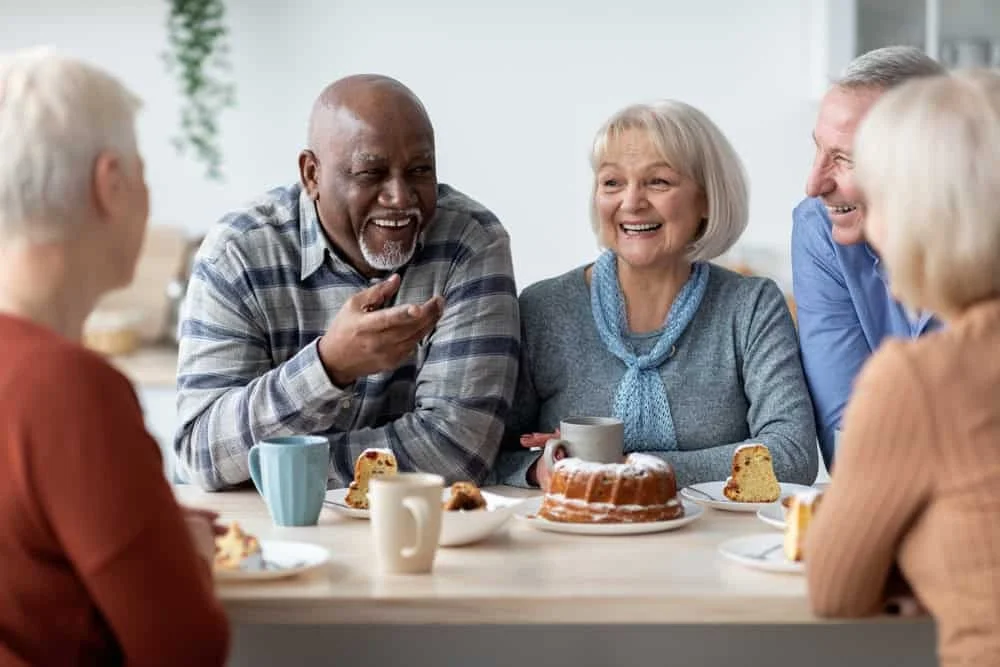
When we think about aging well, most of us picture eating right, exercising, and keeping up with medical care. But another factor belongs on that list: our social connections. Research shows that having strong, supportive relationships can be just as powerful for health as exercise or nutrition. Staying connected brings more than companionship. It can lift mood, protect memory, strengthen the immune system, and even help us live longer. Social engagement has such a profound impact on health that experts compare its benefits to those of quitting smoking.
For older adults, being intentional about building connection into daily life is especially important. As work, family, and friendships shift, our social opportunities can shrink. Staying engaged and involved helps maintain health, prolong life, and boost happiness.
The science linking social connection to our physical health and longevity
Social ties influence far more than how we feel emotionally. Positive social interactions can lower blood pressure, support immune function, and keep inflammation in check. People who feel connected often report having more energy, better sleep, and fewer aches and pains.
Strong relationships also play a role in how long we live. A well-known study by Dr. Julianne Holt-Lunstad and colleagues found that individuals with strong social ties had a 50% greater likelihood of survival compared to those with weaker ties. That same study has shown that social connection can add up to seven years to your life expectancy.
A few minutes of conversation, sharing a meal, or joining a group activity may seem small in the moment, but they add up over time. Together, they build a foundation for better physical health, making connection one of the most powerful tools for healthy aging.
Why connection matters even more as we age
Later life can be a season rich with opportunities to connect. Retirement often frees up time for hobbies, travel, and time with friends. Many people also find themselves discovering new communities—book clubs, walking groups, or volunteer programs—that bring purpose and new friendships.
However, these new opportunities aren’t without challenges. While it provides more free time, retirement often means the loss of daily work-based connections. Friends may move away or pass on, and adult children are often balancing careers and family responsibilities that limit their availability. Mobility changes and difficulty driving can further reduce our ways to participate in social events. These shifts make it harder to stay connected, which is why finding reliable ways to nurture social ties becomes increasingly important with age.
Are You Ready to Explore Making a Change?
Our guide to Choosing Senior Living allows you to learn about the many types of senior living options available, the signals that it’s time to consider this as an option for you or your family, and what to look for and expect in a senior living community.
The mental and emotional benefits of staying connected
Research shows that regular interaction reduces depression, lowers anxiety, and eases stress. Social connection prompts the brain to release chemicals like serotonin and oxytocin, which naturally calm the nervous system and create a sense of well-being.
Connection also strengthens what researchers call cognitive reserve: the brain’s ability to adapt and form new pathways when challenged. Staying socially and mentally engaged can help maintain memory, delay the symptoms of Alzheimer’s, and support overall brain function.
Social ties also foster resilience, helping people recover more quickly from life’s challenges. Individuals with higher resilience scores tend to enjoy better health, lower mortality risk, and a stronger sense of purpose.
Danielle Glorioso, Executive Director of the UC San Diego Center for Healthy Aging, often sums up all these benefits this way: “If there were a pill that could help you live longer, would you take it? Social engagement is that pill.”
How building community supports healthy aging
Communal living offers consistent opportunities for engagement, which is why research shows that older adults in these settings often experience higher life satisfaction, better mental health, and greater participation in physical and cognitive activities.
In senior living communities like Belmont Village, connection happens naturally throughout the day—whether over a shared meal, in a fitness class, or simply passing neighbors in the hallway. These moments help to create a rhythm of interaction that can be difficult to maintain when living alone.
Belmont Village also partners with researchers through its Living Lab, where residents collaborate in studies on brain health, mobility, and social connection. “Residents are not passive participants, they’re active collaborators who help us explore topics that matter most to them: brain health, mobility, social connection, and more,” explains Danielle.
This blend of daily engagement and meaningful contribution creates an environment where residents can thrive.
Not Sure If Now Is the Right Time?
Take our assessment to see if transitioning to senior living might be the best choice for your loved one.
How to make purposeful activity and meaning part of your day-to-day
Social connection works best when paired with activities that provide purpose. Danielle offers this advice: “When people ask me for one tip on healthy aging, I always say: stay involved in meaningful, value-driven activities and nurture your social connections. The research on this is both fascinating and clear—staying socially engaged can actually add years to your life.”
Even outside of a senior living community, there are many ways to build connection into the week, like art classes, walking groups, volunteer opportunities, or regular calls with friends and family. Consistency is key, and making time for these interactions is what helps strengthen both health and happiness.
For residents at Belmont Village, these connections go a step further with programs like Raise Your Resilience, a six-week evidence-based intervention developed at UC San Diego and first piloted within Belmont communities. The program helps participants reduce loneliness and stress while building wisdom, compassion, and self-compassion. Residents often report fewer depressive symptoms, better coping skills, and a stronger sense of purpose after completing the sessions.
The case for connection
Healthy aging relies on caring for both body and spirit. Nurturing relationships and participating in meaningful activities are key to feeling vibrant and engaged. Time and again, the research shows that social connection is one of the most powerful ways to add years to life and life to years.
If you or someone you love has been feeling disconnected, consider how even small steps toward connection could make a difference. Whether that means inviting a friend to lunch, trying something new in your community, or exploring a senior living environment designed to encourage engagement, every effort counts.
At Belmont Village, we see the impact every day. When older adults have regular opportunities to connect, engage, and thrive, life becomes richer and more fulfilling. If you’d like to learn more about the support that senior living can offer, we invite you to consult with one of our friendly and experienced family advisors.