Problem-focused Coping Strategies for Seniors
How Seniors Cope with Separation from Home and Family
Changes later in life can bring a wide range of emotions. While stress is a natural response, the way people respond to stress may or may not be healthy. Some people benefit from using practical, problem-solving techniques that focus on directly tackling the source of stress. These methods are known as problem-focused coping strategies.
Problem-focused Coping: What Is It?
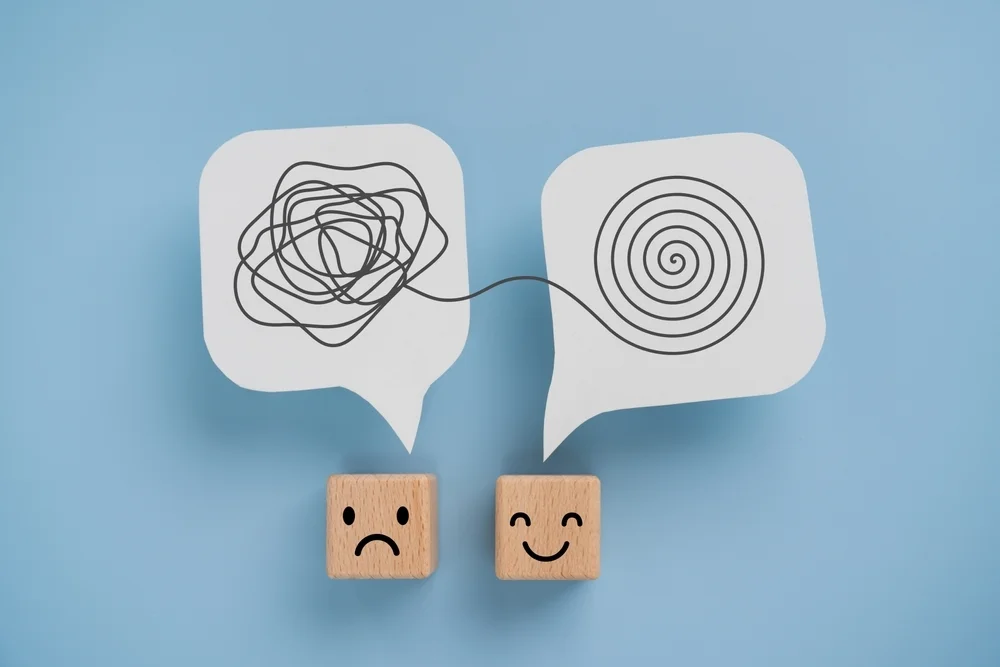
Problem-focused coping is a stress management approach that identifies the root cause of stress, then takes direct action to address it. In other words, instead of avoiding a stressful situation or focusing only on emotional distress, this coping style emphasizes practical solutions.
For example, if an older adult feels overwhelmed after moving to a new community, they may first try to understand why the move feels overwhelming. For those who identify the root cause as fear of being alone, an appropriate response could be to introduce themselves to neighbors or regularly call family members. These actions may not remove every difficult emotion, but they can help reduce uncertainty and increase feelings of control.
Examples of Problem-focused Coping
Examples of problem-focused coping skills for older adults considering a move to senior living (or who have recently made a move to a new community) may include:
- Creating a daily schedule to improve time management and create a comforting routine
- Making a checklist for medications or appointments
- Asking for transportation support when driving becomes difficult
- Staying connected with family through video calls
Other Types of Coping Mechanisms
People use many different coping mechanisms during stressful situations. Common healthy coping styles include:
- Problem-focused coping techniques take direct action to address the source of stress.
- Emotion-focused coping techniques that address the negative emotions caused by stressors.
- Social coping or support-seeking techniques connect with others, including loved ones and support groups.
- Meaning-focused coping techniques find purpose, gratitude, spirituality, or personal growth during difficult experiences.
Not all coping methods are equally helpful, though. Some maladaptive coping mechanisms—like withdrawing from others or avoiding responsibilities—may increase stress over time.
How and When Seniors Can Use Problem-focused Coping Strategies
Identifying the Source of Stress
The first step in problem-focused coping is identifying the root cause of stress. Taking time to reflect on specific stressors may help make situations feel more manageable.
Questions that may help identify the stressor(s) include:
- Is there a change causing anxiety?
- What parts of my situation can I change myself?
- Why does this situation cause me stress?
Once the source of psychological distress becomes clearer, it may feel easier to take meaningful action.
Break Down the Problem Into Smaller Steps
Large problems often feel less overwhelming when divided into smaller tasks. This approach may help older adults avoid feeling stuck or discouraged.
For example, someone adjusting to a move away from family may choose to:
- Schedule weekly phone or video calls
- Explore local activities or clubs
- Learn the layout of a new neighborhood
Establish a Daily Routine
Daily routines can create structure and predictability during stressful life events.
Some older adults benefit from adopting routines like:
- Regular wake-up and bedtime schedules
- Meal planning
- Exercise time
- Social activities
- Relaxation practices
- Hobbies or creative activities
At Belmont Village, we encourage a lifestyle that blends physical activity, social engagement, and whole-brain fitness programming to support overall well-being.
Set Boundaries
Older adults sometimes take on too many responsibilities or struggle to communicate their needs clearly; setting boundaries may help them better manage their responsibilities and related stressors.
Healthy boundaries may include saying no to exhausting commitments and scheduling time for self-care.
Practice Deep Breathing
Although problem-focused coping centers on practical action, calming the body's stress response is also important. Deep breathing exercises may help older adults feel more relaxed before making decisions or handling difficult conversations.
Use Adaptive Tools When Necessary
Adaptive tools and supportive resources may help older adults maintain independence while reducing stress around potential fears of losing independence. Using supportive tools is not a sign of weakness. In many cases, these resources help older adults stay connected and confident in daily life.
Get Professional Help
Some stressful situations may feel too difficult to manage alone. Speaking with a counselor, social worker, or support group may provide the emotional support needed to handle certain situations.
Surround Yourself with Community
Older adults may also benefit from living in communities that offer the right level of emotional and physical support. Belmont Village communities emphasize whole-person wellness through social activities, fitness opportunities, cognitive engagement, and supportive care services.
FAQs
What are the main types of coping skills?
Some primary types of coping skills include:
- Problem-focused coping, which tackles the problem causing distress.
- Emotion-focused coping, which manages difficult emotions through practices like journaling.
- Social coping or support-seeking, which grounds the self with social support.
- Meaning-focused coping, which finds some sort of deeper meaning to find purpose during hardship.
Coping strategies aren't necessarily either/or; many people use a combination of coping strategies when adjusting to new situations or stressful times.
What are healthy coping strategies?
Healthy coping strategies may include problem-solving, exercising, deep breathing, maintaining routines, asking for support, and journaling.
How do problem-focused coping techniques help manage stress?
Problem-focused coping techniques help manage stress by encouraging direct action toward the source of stress, which can include breaking problems into smaller steps and then prioritizing the tasks.
Healthy Coping Skills While Aging
Major life events can affect emotional well-being at any age. Problem-focused coping can support resilience during periods of change, such as making the move to a senior living community.
Disclaimer: This article is for informational purposes only and does not constitute professional medical advice. It cannot diagnose, treat, cure, or prevent any disease or condition. Always discuss changes in diet or physical activity with a licensed healthcare provider.