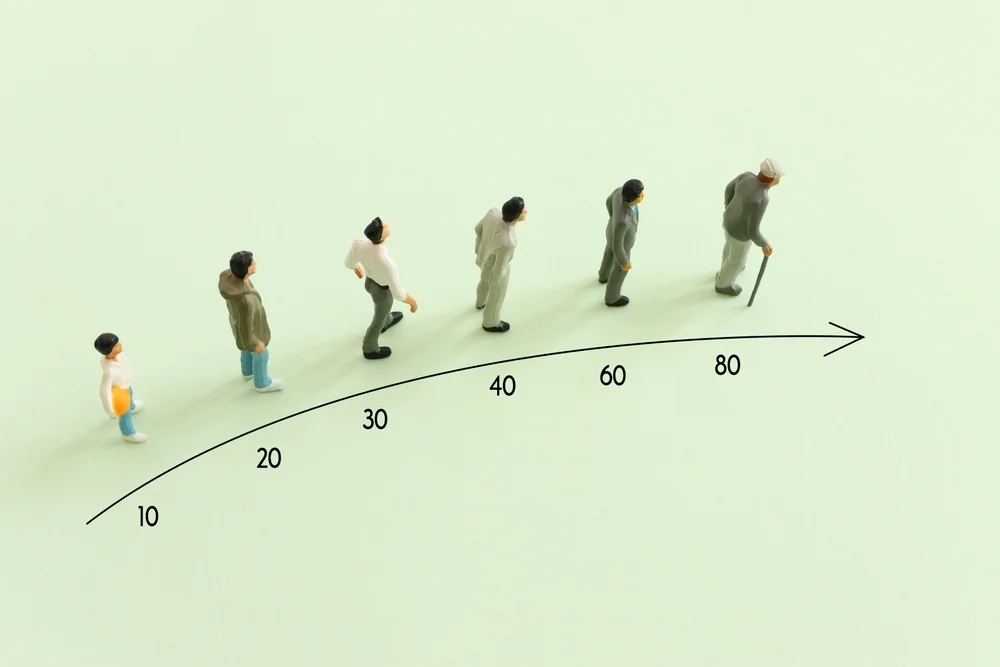
What Does Body Age Mean as We Grow Older
Many people notice that they don't always feel the same age as the number on their birthday cake. This idea is often described as "body age," or biological age, which reflects how the body is functioning rather than how many years someone has lived. Understanding this concept can help older adults focus on habits that promote overall well-being.
What Does "Body Age" Mean?
Chronological age is the number of years since birth. "Body age" is a general term people often use to describe biological age; it is an estimate of how the body is aging at a functional and cellular level. In other words, biological age asks whether the body appears to be aging faster, slower, or about the same as expected for someone's chronological age.
Researchers study biological age because it may help explain why some people remain more physically and cognitively robust over time while others develop age-related diseases sooner. Of course, biological age is still an evolving area of science. It can be informative, but a single "body age" result is best viewed as one data point, not a final verdict on someone's health.
How is Body Age Determined?
There is no single gold-standard test that tells you your exact biological age. Instead, researchers and clinicians may look at different kinds of measurements, each offering a different window into aging.
Blood Tests and Biomarker Panels
Some tests use blood-based measures tied to chronic inflammation, metabolic rate, blood pressure, cholesterol levels, and overall physiological status to better determine biological age.
Epigenetic Clocks and DNA Methylation
One of the best-known approaches to determining body age uses patterns of DNA methylation, chemical marks that change over time. Some researchers use analysis based on DNA methylation patterns to create epigenetic clocks that can reflect biological aging.
Telomere Length
Telomeres are found at the end of chromosomes; they are protective caps that tend to shorten with age. Telomere length has long been studied as a marker of biological aging.
Functional Fitness Measures
In everyday practice, a healthcare provider may focus less on lab-based "age" estimates and more on how the body is actually functioning. Specifically, they may evaluate how strength, mobility, balance, gait speed, endurance, flexibility, and more impact someone's ability to perform daily activities. This information, in turn, can offer important clues about functional age.
What Factors Influence Body Age?
Research suggests that a combination of factors, including:
- Genetics and family history
- Physical activity levels
- Sleep habits
- Diet quality
- Alcohol use
- Smoking
- Stress management
- Chronic disease management
- Social engagement
For example, smoking is linked to harmful aging-related changes and disease risk, while alcohol can create added health and safety concerns in older adults. Healthy eating, regular movement, and socialization, on the other hand, may help protect physical and cognitive function well into someone's golden years.
Bridging the Gap Between Biological & Chronological Age: What the Research Says
The encouraging news is that many factors linked to healthy aging are modifiable. While no one can stop aging, research consistently shows that people can support quality of life through everyday habits like the following.
Physical Activity
Physical activity is one of the strongest examples of how lifestyle factors can play a role in the aging process; plenty of peer-reviewed studies again and again link consistent physical activity can lead to improved mobility, higher independence, and slower signs of cognitive decline.
CDC guidance for adults age 65 and older recommends a mix of aerobic exercise, strength training, and balance work each week. That combination matters because these forms of movement support cardiovascular health, muscle mass, bone density, and mobility.
Sleep Quality & Quantity
Sleep is another major part of the overall health picture. Good sleep supports physical and mental health alike. Poor sleep, conversely, may lead to worsening thinking and problem-solving skills in older adults; in fact, some research associates shorter sleep duration in midlife with higher dementia risk later on.
The National Institute on Aging (NIA) notes that older adults generally need about 7 to 9 hours of sleep per night.
Stress Management
Mental and emotional well-being matter as much as physical health. Chronic stress often leads to worse outcomes like increased risk of mood disorders and heart disease, which may lower lifespan.
Social Engagement
Social isolation is associated with higher risks for depression, cognitive decline, cardiovascular disease, and other poor aging outcomes. Staying socially engaged, seeking emotional support, and finding meaningful activities can all be ways to promote healthier aging.
Chronic Illness Management
Managing chronic health conditions is also important to improving overall well-being at every stage of life. Staying up to date with medical care, following treatment plans, and working with a qualified healthcare provider can help protect long-term wellness.
Balanced Diet
A diet that emphasizes whole foods, lean protein, leafy greens, vegetables, and whole grains can support the body and mind as we age.
Body Age FAQs
How do I know my body's age?
There is no one test that can perfectly tell you your biological age. Some companies offer biological age tests, but results can vary depending on the methods used. A licensed healthcare provider may be able to help you better understand your functional health through lab work as well as evaluating medical history and physical function.
In many cases, how well you move, sleep, think, and manage daily life can be just as meaningful as a single test result.
How is biological age different from chronological age?
Chronological age is how many years someone has lived (their "actual age"). Biological age (their "body age") is an estimate of how old the body appears to be functioning at the cellular, tissue, and organ-system level. The two may align closely, or they may differ.
Why are biological age tests conducted?
Researchers use biological age tests to study aging patterns and better predict health risks, disability, and mortality. In private healthcare settings, related measures may also help inform conversations about physician-guided care. Still, these tests are best understood as tools that may add context, not provide all the answers.
What factors influence body age measurements?
Genetics, family history, inflammation, physical activity levels, smoking, alcohol use, sleep, diet, stress, and social engagement can all influence body age measurements. Different biological age tests focus on different markers, though, which is one reason results from one test may not always match those from another.
Supporting Seniors' Bodies & Minds, Every Day
The concept of "body age" can be a great way for researchers and clinicians alike to get a better understanding of aging patterns and contributing factors. What matters most, however, is how people support their health over time. Consistent movement, nutritious meals, good sleep, and meaningful social connections can all help older adults feel better for longer periods of time.
Disclaimer: This article is for informational purposes only and is not intended to replace professional medical advice, diagnosis, or treatment. Always consult a qualified healthcare provider with questions about health or medical care.