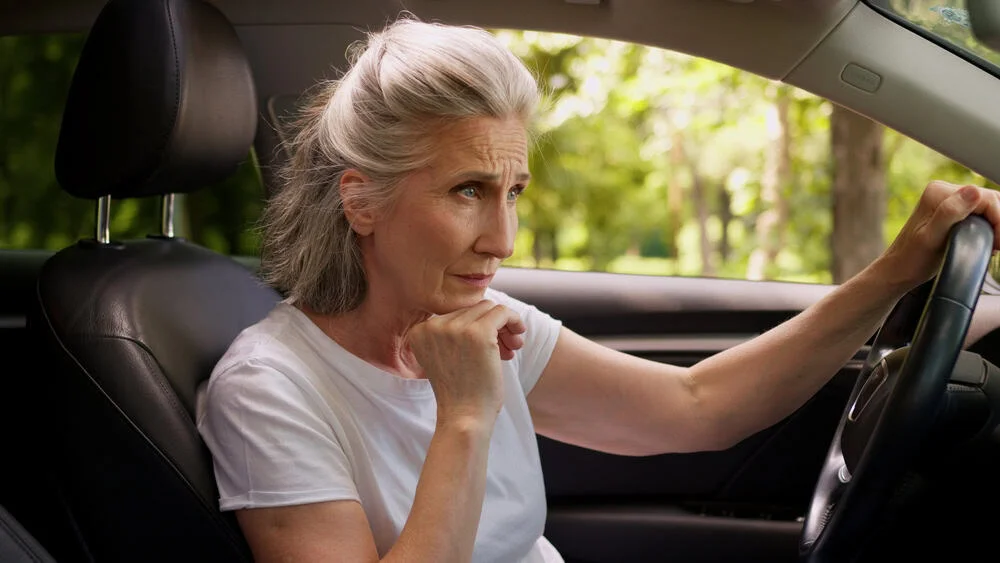
It is natural to feel worried from time to time, especially during periods of change or uncertainty. For older adults, health concerns, life transitions, and loss can all bring moments of stress. But when worry becomes constant, overwhelming, or begins to interfere with daily life, it may be something more than everyday stress. Anxiety affects millions of older adults, yet it often goes unrecognized and, therefore, unmanaged. Understanding how anxiety can show up later in life helps families recognize when support may be needed.
What are Anxiety Disorders?
Anxiety disorders are medical conditions marked by persistent and excessive worry, fear, or nervousness that do not go away on their own. Unlike occasional jitters, anxiety disorders can affect sleep, concentration, physical health, and emotional well-being.
Common types of anxiety disorders in older adults, according to the American Association for Geriatric Psychiatry, include:
- Generalized anxiety disorder (GAD), which involves ongoing worry about everyday matters.
- Social anxiety disorder, which centers on fear of social situations or being judged by others.
Anxiety disorders can occur on their own or alongside other health issues and conditions, such as depression or chronic illness. With appropriate care, many people experience meaningful relief and improved quality of life.
Anxiety and Age: What's the Relationship?
Anxiety can develop at any point in life, including later adulthood. Some individuals have lived with anxiety for years, while others may experience symptoms for the first time as they age. Changes in health, independence, or living situations can contribute to new or worsening anxiety.
Because anxiety symptoms in older adults may look different than in other age groups, they are sometimes overlooked or attributed to aging or other medical conditions. Recognizing that anxiety is not a normal or inevitable part of aging, but instead a mental illness that can be managed with proper support under the guidance of a mental health professional, is an important step toward understanding and support.
How Common Is Anxiety in Older Adults?
Anxiety disorders are among the most common mental health disorders in older adults. Research suggests that millions of seniors experience significant anxiety symptoms, though rates are often reported lower than in younger adults. Experts believe anxiety is underdiagnosed in older populations, in part because symptoms may present as physical complaints or coexist with medical conditions.
Does Anxiety Tend to Worsen as People Age?
For individuals who have lived with anxiety earlier in life, symptoms may intensify with age due to increased health concerns, reduced mobility, or changes in routine. For others, anxiety may emerge later in life following a major event or stressor like developing a health condition, loss of a spouse, or transition into a new living environment.
While anxiety can worsen without intervention, it is not an unavoidable outcome of aging. With appropriate care and support, symptoms can be managed effectively at any age.
What are the Potential Symptoms of Anxiety in Older Adults?
Classic symptoms of anxiety in people of all ages include excessive worry, restlessness, muscle tension, heart palpitations, an elevated heart rate ("racing heart"), irritability, and difficulty sleeping. In older adults, anxiety may also appear as fatigue, headaches, gastrointestinal issues, or shortness of breath.
Some seniors may become more withdrawn, avoid social situations, or express frequent concerns about health and safety. Others may have trouble concentrating or feel constantly on edge. Because these symptoms can overlap with other medical conditions, careful evaluation from a licensed healthcare provider is important.
What are Possible Risk Factors & Causes of Anxiety in Older People?
Common risk factors for anxiety include a personal or family history of anxiety, chronic stress, and traumatic experiences. In older adults, additional factors may include chronic illness, pain, cognitive changes, medication side effects, and sensory loss, such as hearing or vision impairment.
Social isolation, loss of independence, and major life transitions can also contribute. These combined physical, emotional, and social changes can increase vulnerability to anxiety later in life.
Does My Aging Loved One Need Professional Help for Anxiety?
It may be time to seek professional support if anxiety symptoms persist for weeks, worsen over time, or interfere with daily activities. Warning signs can include ongoing agitation, sleep disruption, avoidance of routine activities, or excessive worry that does not respond to reassurance.
Family members should also be alert to sudden changes in behavior or mood, especially following illness or loss. A healthcare provider can help determine whether symptoms are related to anxiety, another medical condition, or both, and recommend appropriate treatment plans.
How Can I Support a Loved One Living with Anxiety?
Support begins with empathy and open communication. Encourage your loved one to share their concerns and validate their feelings without minimizing them. Professional treatment may include cognitive behavioral therapy (CBT), antidepressants like Selective Serotonin Reuptake Inhibitors (SSRIs), other medications, or a combination, often tailored to an older adult's overall needs.
Families can also help by promoting routine, gentle physical activity, and opportunities for social connection. A supportive environment that offers structure and reassurance can make a meaningful difference. At Belmont Village, we understand how emotional health and physical well-being are closely connected, and we support residents with compassionate, individualized care that fosters confidence and peace of mind.
Disclaimers: This article is for informational purposes only.