
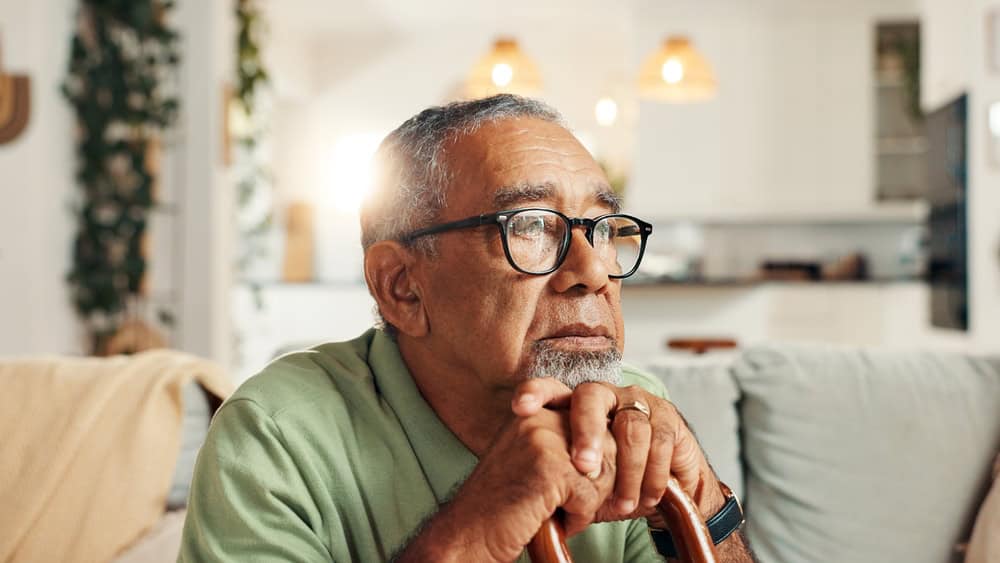
Depression is not a normal part of aging, yet it affects millions of older adults each year. According to the World Health Organization (WHO), millions of older adults aged 70 and older experience mental illness, the most common being depression and anxiety. Unfortunately, many are never formally diagnosed. When symptoms appear gradually or look different than expected, they can be easy to overlook. Understanding how depression may quietly show up in later life helps families recognize when a loved one may need support and compassionate care.
What is Depression?
Depression is more than feelings of sadness or having a bad day. It is a serious mental health condition that affects mood, thinking, behavior, and physical health. Depression, like any other mental illness, can interfere with daily activities, relationships, sleep, appetite, and overall quality of life.
In older adults, depression is sometimes mistaken for normal aging, bereavement, or physical illness. This misunderstanding can delay diagnosis and treatment. With proper care, many people experience meaningful improvement. Recognizing depression as a medical condition rather than a personal weakness is an important first step toward support and healing.
How Does Depression Present in Older Adults?
Depression in older adults often looks different than it does in younger people. Seniors may be less likely to describe feeling sad and more likely to report physical discomfort, fatigue or lack of energy, sleep problems, or a general loss of interest in life. They may withdraw from activities they once enjoyed or become more irritable than tearful.
Causes can also differ. Chronic illness and other health problems, pain, cognitive changes, medication side effects, and major life transitions such as retirement or loss of independence can contribute to depression later in life. Treatment may require a coordinated approach from licensed healthcare professionals and mental health professionals alike, so that it addresses both mental and physical health needs.
What are Possible Symptoms of Depression in Seniors?
Classic symptoms of clinical depression include persistent low mood, loss of interest in activities, changes in sleep, changes in appetite that could lead to weight loss or gain, difficulty concentrating, and feelings of hopelessness or worthlessness.
In older adults, the National Institute on Aging (NIA) says that these symptoms may appear as unexplained aches and pains, increased forgetfulness, slowed movement, or reluctance to engage socially. Some seniors may minimize emotional distress or attribute these symptoms to aging, according to the Centers for Disease Control and Prevention (CDC). Subtle changes in behavior or routine can be important signals that something deeper is happening, though.
What are Potential Risk Factors & Causes of Depression in Older People?
Common risk factors for depression include a personal or family history of depression, major life changes and stressors, and chronic medical conditions. For older adults, additional factors may include social isolation, loss of a spouse or friends, reduced mobility, sensory impairments, and financial concerns, according to the NIA.
Neurological changes, including those associated with dementia or stroke, can also increase vulnerability. The accumulation of losses and changes over time can place emotional strain on seniors, making awareness and early support especially important.
When Does My Loved One Need Older Adult Mental Health Services?
It may be time to seek professional help if symptoms persist for more than a few weeks or begin to interfere with daily life. Warning signs can include ongoing withdrawal, neglect of personal care, changes in eating or sleeping patterns, increased confusion, or expressions of hopelessness.
Family members should also pay attention to sudden changes in mood or behavior, especially following illness or a major life event. Early evaluation by a healthcare provider can help identify depression and rule out other medical causes, opening the door to appropriate treatment and support.
How Can I Help My Aging Loved One Living with Depression?
Support begins with listening and compassion. Encourage open conversations without judgment and acknowledge your loved one’s feelings. Professional treatment options may include talk therapy, antidepressants like Selective Serotonin Reuptake Inhibitors (SSRIs), or a combination of both, often tailored to an older adult’s medical needs.
Families can also help by encouraging routine, physical activity, mindfulness, social connection, and meaningful engagement. In some cases, a supportive senior living environment can provide structure, connection, and access to trained staff. Our team at Belmont Village knows just how emotional well-being and physical health are deeply connected, and we support residents with personalized care that honors dignity and quality of life.
Disclaimers: This article is for informational purposes only. It is not intended to diagnose, treat, cure, or prevent any disease or condition.