
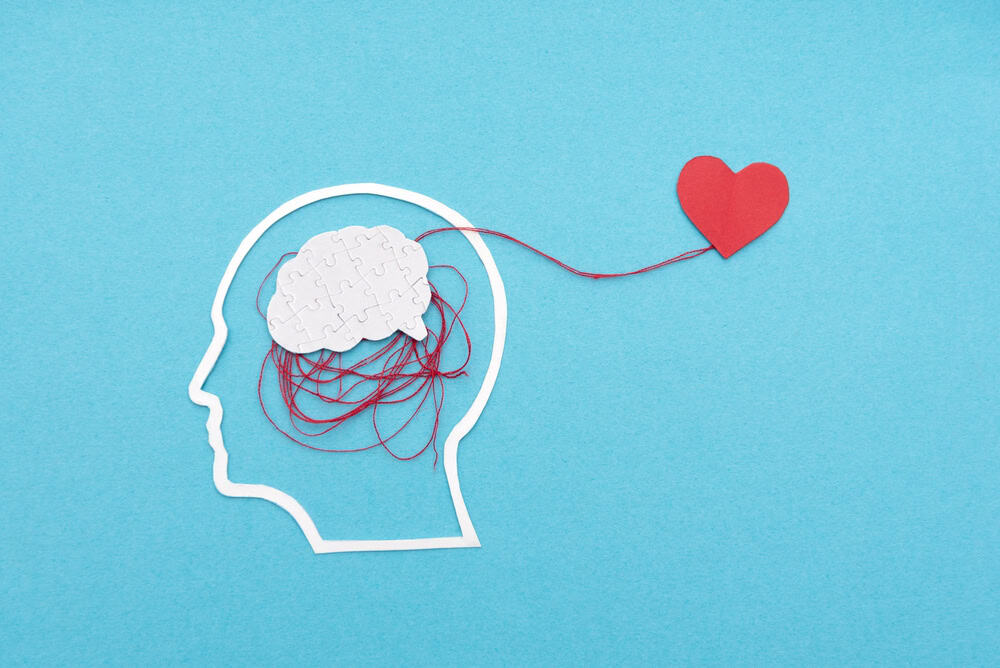
As we age, our bodies go through many changes, and the brain is no exception. Cognitive abilities may shift over time, affecting memory, focus, and decision-making. While some changes are part of normal aging, others can indicate a more serious concern. Understanding what is normal, what warrants attention, and how to maintain brain health can help older adults preserve independence, quality of life, and emotional well-being.
Aging and the Brain
The brain naturally changes as we age. Processing speed may slow, multitasking can become more challenging, and recalling names or details may take longer than in earlier years. These shifts are generally considered normal age-related changes.
However, certain patterns may signal something more serious. Sudden memory loss, confusion, difficulty completing familiar tasks, or significant personality changes could indicate conditions like dementia or the effects of a stroke. Recognizing these signs early allows families and healthcare providers to take action that can improve outcomes and provide peace of mind.
When are Changes Cause for Concern?
Changes that interfere with daily life are a reason to seek professional evaluation.
Examples include:
- Forgetting recently learned information or important dates
- Difficulty managing finances or medications
- Trouble navigating familiar environments
- Repeating questions or stories frequently
- Personality or mood changes, such as increased irritability or withdrawal
Anyone who notices these behaviors in themselves or a loved one should consider consulting with a healthcare provider to help determine the cause and the best next steps.
How to Promote Healthy Brain Aging
While some cognitive changes are inevitable, research shows that lifestyle habits can have a significant impact on maintaining brain health.
Physical Activity
Regular exercise for seniors supports both body and mind, and there are many ways seniors can stay active safely and enjoyably.
Older adults may see health benefits when incorporating the following into their exercise regimen:
- Strength-training exercises, like lifting light dumbbells or using resistance bands, help maintain muscle mass and bone density, which can prevent injuries and support mobility. Body weight exercises like push-ups are also great for seniors of all fitness levels. These types of exercise routines are especially important for older adults at risk of osteoporosis or who experience lower back pain.
- Balance exercises, such as standing on one foot or practicing tai chi, reduce the risk of falls and improve coordination, making them a key component of a fall prevention plan.
- Low-impact cardio activities like walking in a local park, water aerobics classes at a community pool, or participating in chair workouts boost heart health and circulation, which is closely linked to brain function. A cardio-focused exercise regimen can be especially important for people at risk of heart disease and similar health conditions.
- Group exercise programs like beginners Pilates also provide social engagement, combining physical and emotional benefits.
Healthy Eating
The health benefits of exercise are complemented by a quality diet, full of whole foods that nourish the full body. In other words, a brain-healthy diet focuses on nutrient-rich foods that support both cognitive function and overall wellness.
- Fresh fruits and vegetables like blueberries, spinach, and sweet potatoes provide antioxidants that combat cellular damage.
- Lean proteins, such as grilled fish or skinless chicken, supply essential amino acids for brain signaling.
- Healthy fats, particularly omega-3 fatty acids from salmon, walnuts, or flaxseed, support memory and learning.
- Whole grains like oatmeal and quinoa provide steady energy, while B vitamins from leafy greens, eggs, and legumes help maintain mental clarity.
- Staying hydrated by drinking water throughout the day and limiting processed foods, sugary snacks, and sodas can further protect brain health.
Quality Sleep
Establishing a consistent bedtime and wake-up routine signals the body to maintain a natural rhythm, and it’s key for helping adults get not just enough sleep, but enough quality sleep. Simple habits like a warm bath, reading a book, listening to a relaxing music playlist, or practicing gentle stretches before bed can help older adults relax and enjoy restorative sleep.
Socialization
Meaningful social interactions are essential for emotional and cognitive health. Regular engagement with friends, family, and community groups can help prevent feelings of isolation and loneliness, which are linked to cognitive decline.
Weekly or even daily activities like shared meals with loved ones, joining quilting circles, participating in group exercise classes, or volunteering at a local charity can provide purpose and connection. Even small daily interactions, like chatting with a neighbor, calling a friend, or attending a book club, can stimulate the mind and boost overall well-being. Socialization encourages conversation, laughter, and shared experiences that are vital for mental and emotional health.
Mental Stimulation
Keeping the brain active can help maintain cognitive function. Engaging in mentally stimulating activities such as puzzles, reading, learning a new skill, or joining a book club provides challenge and enjoyment. Lifelong learning not only promotes well-being but may help prevent or slow cognitive decline.
Stress Management
Chronic stress can negatively affect memory and overall brain function. Stress management techniques such as meditation, deep breathing exercises, journaling, low-impact workouts, or spending time outdoors can help seniors cope with daily challenges. Supporting mental health through counseling or support groups is another effective strategy to reduce stress and enhance cognitive resilience.
Why Monitoring Brain Health is Important
Regularly checking in on brain health is an essential part of healthy aging. By recognizing changes early, maintaining an active and engaged lifestyle, and seeking support when needed, older adults can preserve independence and quality of life. Families and caregivers play a crucial role in observing changes, encouraging healthy habits, and connecting loved ones with professional resources.
Final Thoughts
Maintaining brain health is an important part of aging well and living life with purpose. While some changes in memory and thinking are a natural part of getting older, staying active, socially engaged, and mentally stimulated can support cognitive function and overall well-being. At Belmont Village, families and caregivers play an essential role in noticing changes, encouraging healthy habits, and seeking professional guidance when needed. By prioritizing brain health and fostering supportive environments, older adults can continue to enjoy meaningful connections, daily accomplishments, and a high quality of life.
Disclaimers: This article is for informational purposes only.