
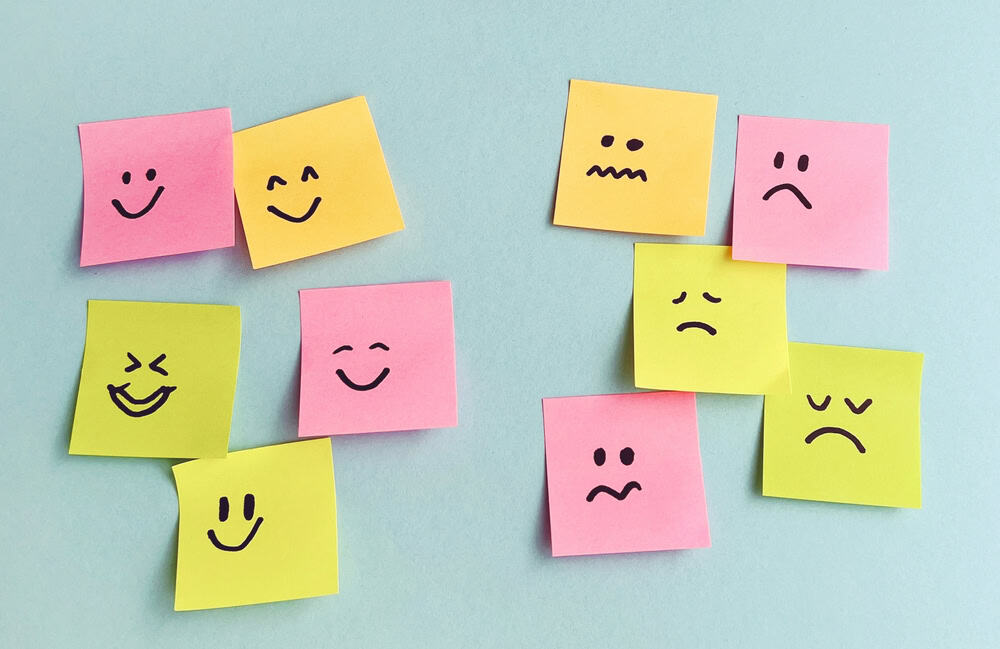
Growing older brings many changes. Some are expected. Others, not so much. Along with physical changes, emotional shifts are also common in later life. For older adults and their families, noticing changes in mood, behavior, or personality can feel concerning. Understanding what is typical, what may signal something more serious, and how to offer emotional support can help families navigate this stage with greater compassion.
Navigating Age-related Emotional Changes
As people age, their emotional world may change in subtle or noticeable ways. Some of these changes are tied to life events, while others reflect shifts in perspective that naturally occur over a lifetime. Others yet may be tied to health issues worth discussing with a licensed healthcare provider.
Loneliness
Loneliness is a common concern in later life, especially after retirement, the loss of loved ones, shrinking social networks, or reduced mobility due to new or worsening medical conditions. Even older adults with family members nearby may feel isolated if their social support circles shrink or daily routines change.
Grief
Grief and bereavement can also play a significant role. Loss may include the death of loved ones, changes in physical health conditions, or the loss of independence. These experiences can bring sadness, frustration, or social withdrawal, even when someone appears outwardly resilient.
Nostalgia
Nostalgia also often becomes more prominent with age. Reflecting on earlier years can bring comfort for many, but it may also stir feelings of longing or loneliness in others.
Overall, there is no one-size-fits-all approach to successful aging, and every person’s emotional experiences in later adulthood are unique. It is important for seniors to keep in mind that emotional changes are not a sign of weakness. They are often a natural response to life experiences, health changes, and more. With proper support, though, older adults can continue to live with meaning, connection, and purpose.
When Changes Go Beyond Healthy Aging
While many emotional and mental health shifts are benign, some changes may signal a more serious concern like Alzheimer’s disease or another form of dementia. Potentially alarming symptoms, according to Alzheimer’s Association, can include:
- Memory loss that interferes with daily life
- Sudden personality changes
- Lack of emotional regulation
- Steep cognitive decline and regression of decision-making abilities
- Withdrawal from previously enjoyed activities
A decline in cognitive functioning is not the only age-related emotional change that people may experience in their later years. Mental health problems like depression and anxiety are unfortunately common in older age groups, according to the World Health Organization (WHO). Depressive symptoms in older people can look different from those in young adults, and may appear as:
- Irritability
- Fatigue
- Changes in appetite
- Intentional social isolation
- Loss of interest
These signs are sometimes overlooked or mistaken for normal aging, but they are absolutely worth discussing with a licensed healthcare professional.
Supporting an Older Loved One Experiencing Personality Changes: 3 Tips
Watching a loved one change emotionally can be unsettling. But there are ways to help support them as they undergo these changes.
1. Practice Judgment-free Listening
Patience and understanding are essential here. Families and other loved ones should try to listen to older adults’ stressors and fears without judgment and acknowledge their feelings, even if they do not fully understand them.
2. Encourage Routine
Encourage regular routines that include social interaction, gentle physical activity, and mental engagement. Small, consistent connections can make a meaningful difference. It is also important to seek medical evaluation when changes feel sudden, severe, or concerning.
3. Seek Help
Caregivers should also remember that they are not alone. Seeking guidance from healthcare providers, counselors, or senior living professionals can help families feel more informed when making decisions impacting quality of life.
FAQs
What are common emotional changes in late adulthood?
Common emotional changes in later life can include both positive emotions and negative emotions alike, such as:
- Increased reflection
- Periods of sadness after a loss
- Shifts in social needs
- Greater emotional sensitivity
Every individual’s experience is unique, though, and should be discussed with a licensed healthcare provider when concerns arise.
How can caregivers avoid burnout while caring for older adults with personality changes?
Unpaid family caretakers can help avoid burnout by taking breaks, asking for help, and prioritizing self-care.
How can older adults celebrate age-related changes?
Many older people find life satisfaction by embracing new routines, sharing life stories, mentoring younger adults, or focusing on social activities that bring joy. Celebrating elderhood can be empowering!
Personal approaches to later life aging should always reflect individual needs, emotional goals, and preferences; older people may benefit from guidance from a licensed healthcare provider in this regard.
Embracing Change
Emotional changes are part of the human experience at every age. In later life, these changes often reflect a lifetime of social relationships, memories, and growth. With proper support, older adults can thrive.
At Belmont Village Senior Living communities, we recognize that emotional well-being is an essential part of healthy aging. Through meaningful engagement in supportive environments, we help residents embrace change.
Disclaimer: This article is for informational purposes only and is not intended to replace professional medical advice, diagnosis, or treatment. Always consult a qualified healthcare provider with questions about health or medical care.