
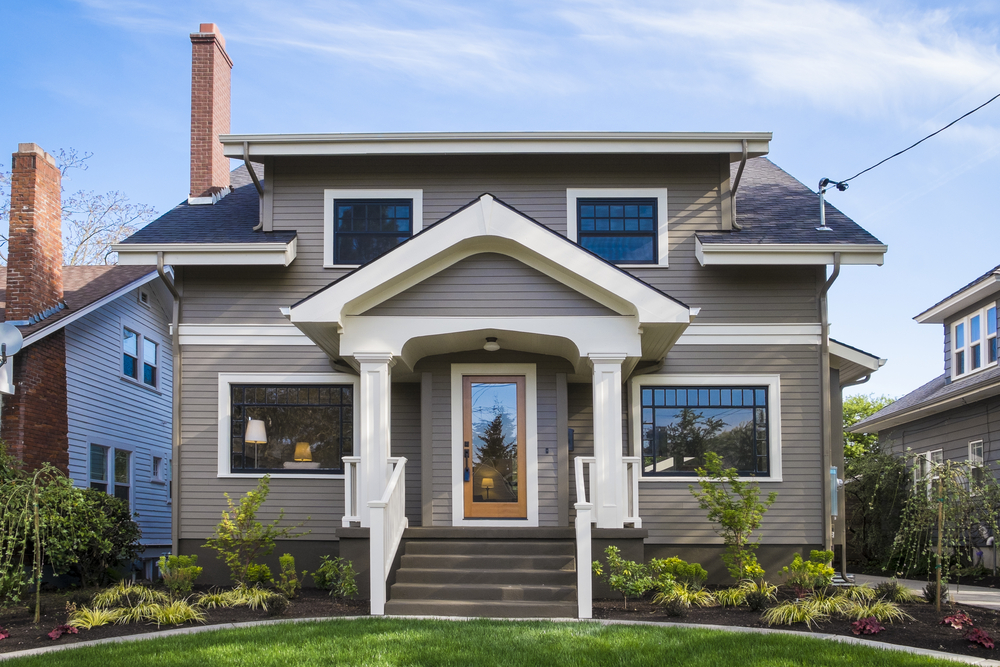
A familiar home can offer comfort and a strong sense of identity. For many older adults, staying in their own homes is a meaningful goal. But as needs evolve, adapting the home may be necessary. Home modifications are one way families can adapt living spaces to meet these evolving needs better.
Aging in Place: What Is It?
Aging in place, as the name suggests, means someone remaining in their own home as they grow older. For many homeowners and family members, aging in place can feel like a natural choice. Even when it is the right choice, it still can come with challenges, like making the home more accessible as the homeowner’s needs change.
What are Home Modifications for Seniors?
Home modifications are upgrades to a living space that enhance accessibility. These updates can range from simple adjustments, such as removing rugs that create tripping hazards, to more extensive remodeling projects like installing walk-in showers.
10 Popular Home Modifications for Seniors Aging in Place
1. Lighting Improvements
Improved lighting can make everyday activities easier and even help reduce the risk of falls. Bright, evenly distributed lighting in hallways, staircases, and entryways, for example, supports visibility, especially for older adults with vision changes. Motion-sensor lights and nightlights can also make it easier to move around safely at night.
2. Bathroom Modifications
Bathrooms are one of the most common areas for slips and falls. Updates to make these spaces safer for older people may include:
- Grab bars or handrails near toilets and showers
- Non-slip mats or flooring
- Raised toilet seats
- Shower chairs
- Walk-in showers or tubs
Besides making bathrooms safer, these changes also allow older people to more easily care for themselves, supporting their independence even as their abilities change.
3. Widen Doorways
Widening doorways can improve accessibility for individuals using walkers or wheelchairs. This type of remodeling may also make it easier for caregivers to assist with mobility when needed.
4. Remove Tripping Hazards
Common household items like loose rugs, uneven flooring, and clutter can increase the likelihood of falls. Removing these hazards helps create safer walking paths.
5. Lever-style Door Handles
Small upgrades can make a big difference. Lever-style handles, for instance, are often easier to use than traditional round doorknobs. Installing lever handles can therefore be a simple but effective upgrade for those living with conditions like arthritis.
6. Accessibility Modifications
Accessibility upgrades may include wheelchair ramps and stairlifts, which can help older adults navigate different levels of the home more comfortably.
7. Kitchen Modifications
The kitchen is a central part of daily life, and updates here can support independence while improving safety. Examples of kitchen modifications for seniors and people with disabilities include:
- Lowered countertops
- Pull-out shelves
- Touch-style or hands-free faucets
- Improved ventilation
8. Medical Alert Systems
Medical alert systems allow older adults to call for help in case of an emergency, offering reassurance for older adults and families that help is never far away.
9. Security Systems
Home security systems (e.g., cameras, alarms, and smart locks) can enhance safety for those who live alone, helping mitigate the chance of theft and allowing family members to check in on their loved ones.
10. Smart Home Technology
Smart home devices, like voice-activated assistants, can simplify daily tasks. Examples of smart home technology that seniors aging in place may find helpful include:
- Voice-activated assistants like Alexa or Siri
- Smart thermostats
- Automated lighting systems
- Video doorbells
Other Tips for Aging in Place
Determine Your Loved One’s Abilities
Understanding a loved one’s current physical and cognitive abilities is an important step in planning home modifications.
Explore Financing Options
Home improvement projects can be costly. Some families explore grants, non-profit programs, or local resources that support accessibility upgrades for older adults. Eldercare Locator may help families like yours access local financial resources.
Revisit Ability Levels
Needs can change over time. Periodically reassessing a loved one’s abilities helps ensure that their home environment continues to meet their needs safely and comfortably.
Know When Aging in Place Is (and Is Not) the Right Choice
Aging in place can work well in certain situations. Other times, it may not be the right choice, especially in situations where safety and quality of life are compromised. Senior living communities offer an alternative that brings housing, dining, social engagement, and care support together in one setting. This integrated approach can simplify daily life and reduce the need for costly ongoing home modifications.
FAQs
What is the 40-70 rule for aging parents?
The 40-70 rule is a general guideline suggesting that adult children begin conversations about long-term planning when they are around age 40 and their parents are around age 70. It encourages early, proactive discussions about care preferences and living arrangements.
How can I modify a home for elderly loved ones?
Ways to modify a home for aging loved ones include:
- Identifying safety concerns
- Creating a budget
- Exploring financial planning options
Does Medicare pay for home modifications?
Medicare typically does not cover most home modifications, such as remodeling or accessibility upgrades. Some limited exceptions may apply for certain medical equipment, though.
Are lighting improvements really necessary for seniors aging in place?
Lighting improvements are often considered an important part of home safety. Clear visibility can support navigation through the home and help reduce the risk of falls, especially in low-light areas.
Are there financial assistance programs for senior home modifications?
Some local, state, and non-profit programs may offer financial assistance or grants for home accessibility upgrades.
What are the best bathroom safety modifications for seniors?
Common bathroom updates for older people include installing grab bars, non-slip flooring, walk-in showers, and shower seating.
When Home Updates No Longer Meet Changing Needs
Home modifications can support older adults who want to age on their own terms in their own homes. When senior home modifications can no longer safely accommodate the needs of the older people in question, however, options like senior living may be a better choice.
Disclaimers: This article is for informational purposes only.