Aging brings many changes, and one of the most noticeable can be changes in memory and cognitive abilities. For many people, these shifts raise questions about what is normal and what might be cause for concern. Staying mentally sharp in your 70s and beyond is possible with a combination of lifestyle habits, social engagement, and proactive health care. Understanding brain health and how to maintain it can help you or your loved one enjoy greater independence, confidence, and quality of life.
What Does Mentally Sharp Mean?
Mental sharpness, or cognitive acuity, refers to the ability to think clearly, remember important information, make decisions, and solve problems effectively. It involves skills such as attention, reasoning, learning, and memory. Being mentally sharp does not mean recalling every detail perfectly, but rather maintaining enough cognitive function to manage daily life, adapt to new situations, and engage socially.
What are Normal Age-related Cognitive Changes?
The aging brain experiences some changes in cognitive function; many of these changes are natural. Forgetting a name temporarily, misplacing items occasionally, or taking slightly longer to recall information can happen to healthy older adults. These minor lapses are part of normal aging and typically do not interfere with everyday life. However, mental sharpness may gradually decline in our 70s and beyond, affecting processing speed and the ability to multitask, even in people who remain otherwise healthy.
Is It Normal Age-related Memory Loss or Concerning Cognitive Decline?
It can be difficult to distinguish normal forgetfulness from more serious decline in brain function. Occasional memory lapses are common, but frequent confusion, difficulty performing familiar tasks, getting lost in familiar places, or struggling to manage finances may signal conditions such as Alzheimer's disease or another type of dementia or other cognitive impairments. Paying attention to patterns and seeking medical guidance when changes interfere with daily life is an important step in protecting brain health.
What are Effective Ways to Stay Mentally Sharp at Age 70?
There is no singular "best" way to keep the brain healthy. Instead, many healthcare providers recommend a combined approach of maintaining social interactions, not neglecting mental health, getting enough sleep, eating well, keeping physically active, learning new things, and attending doctor's appointments.
Social Activity
Regular social interaction is essential for cognitive and emotional well-being. Engaging with family, friends, and community members can reduce feelings of loneliness and isolation, which have been linked to increased risk of dementia. Activities like attending a book club, participating in group exercise classes, volunteering, or simply enjoying coffee with a friend can help maintain mental agility while providing purpose and connection.
Physical Activity
Exercise benefits both the body and the brain. Strength training, balance exercises, and cardiovascular activity all contribute to better heart health, improved circulation, and reduced risk of falls. Activities such as walking, swimming, tai chi, or low-impact aerobics can be adapted to each individual's abilities. Regular physical activity also supports mood, sleep, and overall quality of life, creating a positive cycle that reinforces brain health.
Enough Sleep
Quality sleep is critical for memory consolidation, focus, and overall cognitive function. Adults should aim for seven to nine hours of restful sleep each night. Establishing a consistent sleep schedule, creating a calm and dark bedroom environment, and limiting screen exposure before bed can help. Poor sleep can contribute to fatigue, mood changes, and increased difficulty with learning and memory.
Healthy Diet
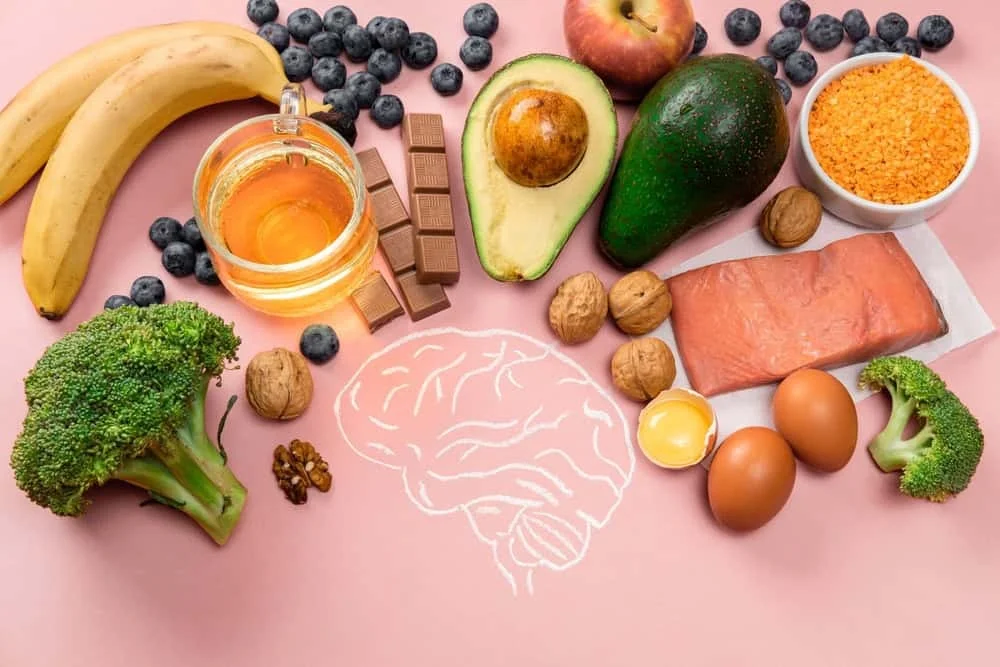
Nutrition plays a central role in brain health. A balanced diet rich in whole grains, fruits, vegetables, lean proteins, and healthy fats provides the nutrients necessary for optimal cognitive function. Foods high in antioxidants, omega-3 fatty acids, and B vitamins support memory and learning. Staying hydrated and limiting highly processed foods and added sugars also contribute to long-term brain health.
Learning New Skills
Challenging the brain with new activities promotes cognitive resilience. Trying new hobbies or learning new skills stimulates critical thinking and problem-solving abilities. Cooking a new recipe, learning a language, joining a book club, doing crossword puzzles, or even exploring a new craft can provide both mental stimulation and a sense of accomplishment. Lifelong learning encourages curiosity and keeps the mind active.
Doctor's Appointments
Regular health care is essential for maintaining brain health. Routine checkups help manage chronic conditions such as diabetes, high blood pressure, and heart disease, which can impact cognitive function if left untreated. Keeping up with vision and hearing exams is also important, as sensory impairments can contribute to cognitive decline. Proactive health care ensures that both physical and brain health are supported as we age.
How Can I Help My Aging Loved One Keep Their Mind Sharp?
Supporting a loved one's cognitive health involves a combination of companionship, encouragement, and practical support. Spending quality time together, providing transportation to doctor appointments, and encouraging participation in social and physical activities can help seniors maintain mental sharpness. Introducing new hobbies, preparing balanced meals, and supporting healthy sleep habits also reinforces brain health. Your involvement can make a meaningful difference in your loved one's daily life and long-term well-being.
Supporting Healthy Lifestyles
Maintaining brain health in your 70s and beyond is an ongoing process that benefits from a holistic approach. Social engagement, physical activity, healthy eating, mental stimulation, quality sleep, stress management, and regular medical care all contribute to keeping the mind sharp and resilient. By prioritizing these strategies, families and seniors can support their own cognitive health, helping everyone continue to thrive, stay independent, and enjoy life fully.
Disclaimers: This article is for informational purposes only.